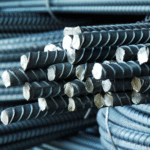
Sustainability is no longer optional — it is the foundation of modern construction. As climate change, resource depletion, and environmental degradation rapidly accelerate, the building industry faces immense responsibility. Sustainable construction practices aim to reduce environmental impact throughout the entire lifecycle of a building — from raw material extraction and design to construction, operation, and even demolition.
Table of Contents
This detailed blog explains why sustainable construction is essential in 2025–26, how homeowners and builders can adopt eco-friendly methods, and how suppliers like Pahari Home Solutions Pvt. Ltd. help bring sustainable building materials to every doorstep in Purba Medinipur, Paschim Medinipur & Jhargram.
What is Sustainable Construction?
Sustainable construction refers to designing and building structures that are energy-efficient, resource-efficient, environmentally friendly, and supportive of long-term human well-being. It includes responsible material sourcing, reduced carbon footprint, waste management, and creating buildings that operate with minimal environmental harm.
In simple terms, sustainable construction means building for today without compromising tomorrow.
1. Energy Efficiency: The Core of Sustainable Buildings
Energy consumption in buildings accounts for a major percentage of global emissions. Reducing energy usage directly reduces carbon footprint.
Key Energy-Efficient Measures:
- High-performance insulation to prevent heat loss
- UPVC and double-glazed windows for thermal efficiency
- Smart lighting systems (motion sensors, LEDs, automated dimming)
- Energy-efficient HVAC systems
- Solar panels for renewable energy
- Cool roof technologies and reflective exterior coatings
Energy-efficient buildings can reduce power bills by 30–50% while providing superior comfort.
2. Sustainable Materials: Reducing Environmental Burden
Material choice contributes heavily to a building’s ecological impact.
Examples of Eco-Friendly Materials:
- Bamboo – renewable, strong, and fast-growing
- Recycled steel & fly-ash bricks – reduces mining of raw materials
- Low-carbon concrete – emits less carbon during production
- Reclaimed wood – reduces deforestation
- Eco-friendly paints – low VOC, healthier interiors
At Pahari Home Solutions Pvt. Ltd., we encourage the use of:
- TMT bars with eco-friendly manufacturing (TATA Tiscon, SAIL SeQR, JSW, Shyam Steel)
- Low-VOC Asian Paints
- AAC blocks & sustainable construction materials
These reduce environmental impact while improving building longevity.
3. Water Conservation: Building for a Thirsty Future
Water scarcity is rapidly becoming one of India’s biggest challenges. Sustainable buildings integrate water-saving technologies.
Water-Saving Practices Include:
- Low-flow taps, showerheads & dual-flush toilets
- Rainwater harvesting systems
- Greywater treatment systems
- Drip irrigation for landscaping
- Water-efficient plumbing materials
These reduce water consumption by up to 40–60%.
4. Waste Reduction: Smart Building = Less Waste
Construction waste forms nearly 30–40% of urban solid waste. Sustainable techniques drastically reduce landfill burden.
How to Reduce Waste:
- On-site waste segregation
- Using modular designs to reduce excess cutting
- Reusing bricks, tiles, steel, and wood
- Recycling demolition materials
- Prefabricated structures to minimize debris
Forward-thinking contractors now adopt circular construction — reuse materials, reduce waste, and recycle wherever possible.
5. Smart Site Selection & Management
Environmental impact begins before the first brick is laid.
Best Green Site Practices:
- Avoiding ecologically sensitive land
- Preserving existing trees
- Using native plants for landscaping
- Implementing soil-erosion control
- Managing stormwater runoff
- Minimizing noise & light pollution
A well-managed site supports biodiversity and reduces ecological damage.
6. Indoor Environmental Quality: Healthy Indoors = Healthy People
Indoor air can be 2–5 times more polluted than outdoor air if poor materials are used.
Ways to Improve Indoor Quality:
- Use low-VOC paints, adhesives & sealants
- Install proper ventilation systems
- Maximize natural light
- Use non-toxic materials
- Prevent moisture and mold buildup
At Pahari Home Solutions, we recommend Asian Paints Royale Health Shield for anti-bacterial, low-VOC interiors.
7. Green Certifications: A Mark of Sustainable Excellence
Certifications such as LEED, IGBC, GRIHA, and BREEAM assure that your building meets strict sustainability standards.
These ratings evaluate:
- Water efficiency
- Energy use
- Indoor air quality
- Sustainable materials
- Waste management
- Site impact
Green-certified buildings also have higher resale value and lower operating costs.
How Pahari Home Solutions Supports Sustainable Construction
As a leading construction material supplier in Medinipur, Pahari Home Solutions Pvt. Ltd. actively promotes eco-friendly products and practices.
We supply
- TMT Bars with low-emission manufacturing (TATA Tiscon, SAIL, JSW, Shyam Steel, Vizag, Rashmi, Captain TMT, etc.)
- Cement brands providing green variants (Ambuja, Ultratech, Nuvoco, Dalmia, JSW, Ramco)
- Eco-friendly paints (Asian Paints)
- Tiles, AAC blocks, UPVC windows & steel doors
Our services include
- Expert guidance on sustainable materials
- Bulk delivery across Medinipur & Jhargram
- Warehouse-to-site transportation
- Support in calculating material efficiency
We believe that sustainable construction begins with responsible sourcing, and we help customers achieve that with ease.
For Sustainable Building Material Queries
📞 Call / WhatsApp : +91 7584055356
🌐 Website : https://paharihomesolutions.in
📧 Email : official@paharihomesolutions.in
20 Most-Asked FAQs on Sustainable Constructions
1. What is sustainable construction?
Sustainable construction refers to building practices that reduce environmental impact using eco-friendly materials, energy-efficient designs, and waste reduction strategies. For guidance on sustainable materials, contact +91 7584055356.
2. Why is sustainability important in modern buildings?
It reduces carbon emissions, saves resources, improves occupant health, and lowers long-term operating costs.
3. What materials are considered sustainable?
Bamboo, recycled steel, reclaimed wood, fly-ash bricks, low-VOC paints, low-carbon cement, and AAC blocks.
4. Are sustainable buildings more expensive?
Initial cost may be slightly higher, but lifetime savings in energy, water, and maintenance make them more economical.
5. What are low-VOC materials?
Materials with reduced toxic emissions. Low-VOC paints and adhesives improve indoor air quality.
6. Does sustainable construction improve resale value?
Yes. Eco-friendly buildings attract higher resale value due to reduced operating costs and healthier environment.
7. Can old buildings be made sustainable?
Yes. Upgrading insulation, switching to LED lights, using low-VOC paints, and installing water-saving fixtures are effective steps.
8. What is greywater recycling?
A system that reuses water from sinks, showers, and laundry for irrigation and flushing.
9. How much energy can efficient windows save?
UPVC or double-glazed windows can reduce AC load by 20–30%.
10. Which cement brands offer eco-friendly options?
Ambuja, Ultratech, Nuvoco, Dalmia, and JSW provide low-carbon cement variants supplied by Pahari Home Solutions.
11. Do solar panels significantly reduce energy bills?
Yes. Solar rooftop systems can cut electricity costs by 40–70%.
12. What is rainwater harvesting?
A method to collect and store rainwater, reducing dependency on groundwater.
13. How can construction waste be minimized?
By reusing materials, segregating waste, using prefabricated components, and recycling debris.
14. What type of flooring is eco-friendly?
Tiles with recycled content, bamboo flooring, and stabilised mud blocks.
15. Are AAC blocks sustainable?
Yes, they consume less energy, offer better insulation, and reduce structural load.
16. Do green buildings reduce operating costs?
Energy and water-efficient systems drastically lower monthly utility bills.
17. How does good indoor air quality benefit health?
It reduces allergies, respiratory issues, fatigue, and improves overall comfort.
18. Are steel doors (TATA Pravesh) sustainable?
Yes. They use recyclable steel, last longer, and require minimal maintenance.
19. How do I choose sustainable materials for my home?
Consult certified suppliers like Pahari Home Solutions for verified eco-friendly materials.
Call +91 7584055356 for selection advice.
20. Does sustainable construction require professional guidance?
Yes. Proper design, selection, and installation are crucial for achieving true sustainability.
Final Thought
Sustainable construction is not just about protecting the environment — it enhances durability, reduces energy bills, improves indoor comfort, and ensures healthier living spaces for future generations.
With expert guidance and eco-friendly material options from Pahari Home Solutions Pvt. Ltd., building sustainably is now easier, more accessible, and cost-effective. Every small choice — from low-VOC paints to energy-efficient windows — contributes to a greener world.
Let’s build responsibly. Let’s build sustainably.