Cement is one of the most essential materials in the construction industry. It acts as the binding agent that holds together sand, aggregates, bricks, and other building materials. Choosing the right type of cement is important because different construction projects require different levels of strength, durability, setting time, and resistance to moisture or chemicals.
Using the wrong type of cement can affect the strength, life, and safety of a structure. Whether you are building a house, commercial property, bridge, road, or water tank, understanding the different types of cement can help you make better decisions.
Table of Contents
What is Cement?
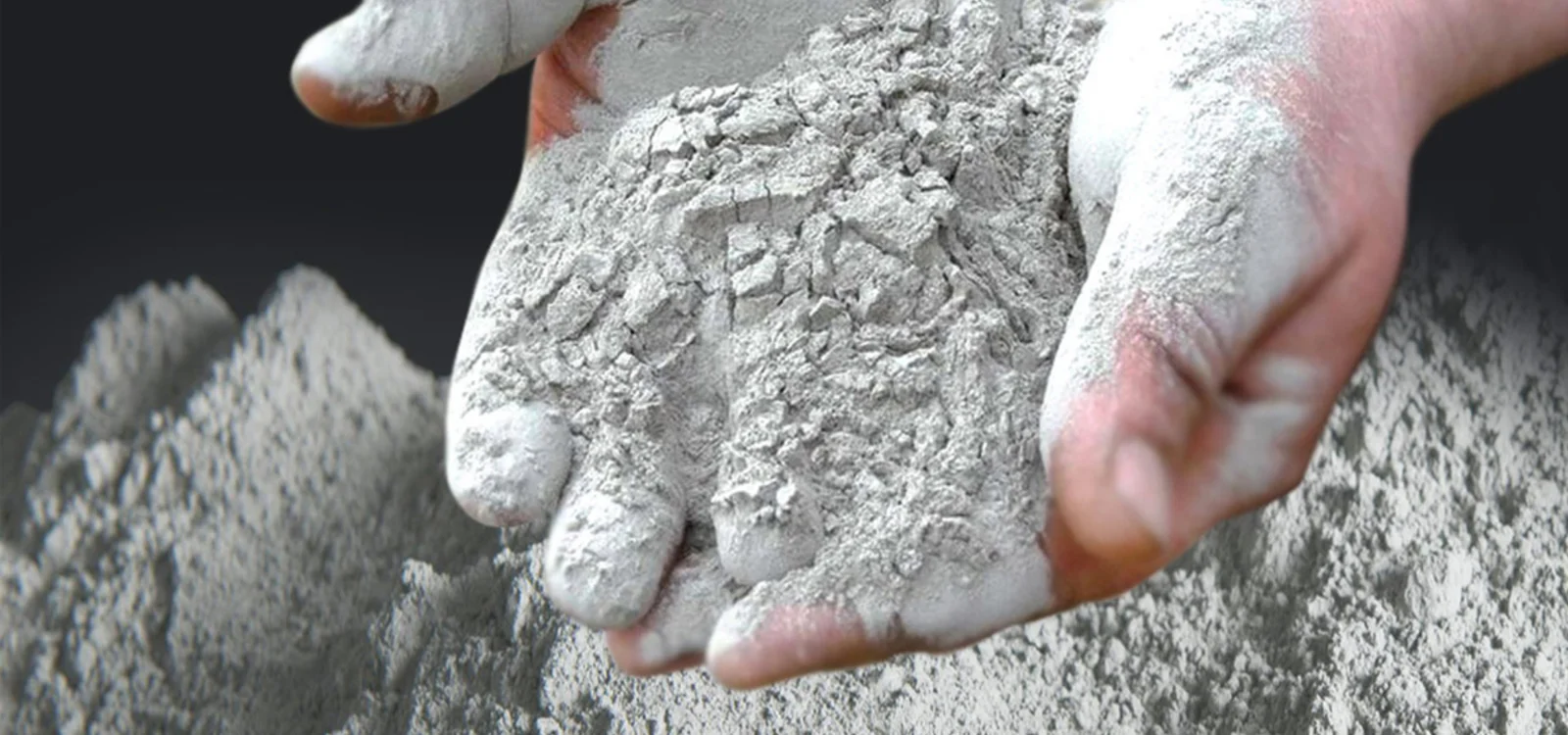
Cement is a fine powder made from limestone, clay, silica, gypsum, and other materials. When mixed with water, sand, and aggregates, it forms concrete or mortar.
The main purpose of cement is to bind construction materials together and provide structural strength.
Main Components of Cement
| Component | Purpose |
|---|---|
| Limestone | Provides calcium for strength |
| Silica | Improves hardness and durability |
| Alumina | Helps in setting and heat resistance |
| Gypsum | Controls setting time |
| Iron Oxide | Adds strength and color |
Different combinations of these materials produce different types of cement for different construction applications.
Ordinary Portland Cement (OPC)
Ordinary Portland Cement is one of the most commonly used types of cement in construction. It is suitable for general building work where no special properties are required.
OPC is available in different grades such as 33 Grade, 43 Grade, and 53 Grade.
| OPC Grade | Main Use | Strength |
|---|---|---|
| 33 Grade | Plastering and masonry work | Lower strength |
| 43 Grade | Residential construction and flooring | Medium strength |
| 53 Grade | RCC work, beams, columns, and slabs | High strength |
Advantages of OPC
- Fast strength development
- Easily available in the market
- Suitable for general construction
- Good for RCC and masonry work
Best Uses of OPC
- House construction
- Beams and columns
- Slabs and foundations
- Roads and pavements
Portland Pozzolana Cement (PPC)
Portland Pozzolana Cement is made by mixing pozzolanic materials such as fly ash with clinker and gypsum. PPC is widely used because it offers better durability and resistance to moisture.
| Feature | PPC Cement |
|---|---|
| Setting Time | Slightly slower than OPC |
| Heat Generation | Lower |
| Durability | Higher |
| Resistance to Cracks | Better |
| Cost | Usually lower than OPC |
Advantages of PPC
- Better long-term strength
- Reduces cracks in concrete
- More resistant to water seepage
- Eco-friendly because it uses fly ash
- Lower heat generation during hydration
Best Uses of PPC
- Plastering work
- Masonry work
- Residential construction
- Water tanks and drainage systems
- Marine and coastal structures
Portland Slag Cement (PSC)
Portland Slag Cement is manufactured by mixing slag from steel plants with clinker and gypsum. It provides excellent durability and chemical resistance.
| Feature | PSC Cement |
|---|---|
| Durability | Very High |
| Sulphate Resistance | High |
| Heat of Hydration | Low |
| Resistance to Corrosion | High |
Advantages of PSC
- Better resistance against chemicals
- Good for structures exposed to water
- Suitable for coastal areas
- Improves the life of concrete
Best Uses of PSC
- Bridges
- Marine structures
- Sewage treatment plants
- Underground structures
- Dams and retaining walls
Rapid Hardening Cement
Rapid Hardening Cement gains strength much faster than OPC. It is used in projects where early strength is required.
| Feature | Rapid Hardening Cement |
|---|---|
| Strength Gain | Very Fast |
| Setting Time | Similar to OPC |
| Construction Speed | High |
Advantages of Rapid Hardening Cement
- Reduces construction time
- Useful in emergency repairs
- Suitable for precast concrete work
Best Uses of Rapid Hardening Cement
- Road repairs
- Bridge repairs
- Precast concrete products
- Industrial flooring
Low Heat Cement
Low Heat Cement is designed to produce less heat during hydration. This helps prevent cracking in large concrete structures.
| Feature | Low Heat Cement |
|---|---|
| Heat Generation | Very Low |
| Crack Resistance | High |
| Setting Time | Slower |
Advantages of Low Heat Cement
- Prevents thermal cracking
- Suitable for large concrete pours
- Improves durability in massive structures
Best Uses of Low Heat Cement
- Dams
- Large foundations
- Retaining walls
- Massive concrete structures
Sulphate Resistant Cement
Sulphate Resistant Cement is specially designed to resist damage from sulphates found in soil, groundwater, and seawater.
| Feature | Sulphate Resistant Cement |
|---|---|
| Sulphate Resistance | Very High |
| Durability | High |
| Water Resistance | Good |
Advantages of Sulphate Resistant Cement
- Protects concrete from chemical attack
- Increases the life of structures in wet areas
- Suitable for harsh environments
Best Uses of Sulphate Resistant Cement
- Sewage systems
- Marine structures
- Foundations in sulphate-rich soil
- Water treatment plants
White Cement
White Cement is manufactured using raw materials with low iron content. It is mainly used for decorative and architectural purposes.
| Feature | White Cement |
|---|---|
| Color | White |
| Appearance | Decorative |
| Cost | Higher than OPC |
Advantages of White Cement
- Gives a premium finish
- Suitable for decorative designs
- Can be mixed with pigments for colored finishes
Best Uses of White Cement
- Decorative walls
- Tile grouting
- Wall putty
- Architectural designs
- Sculptures and artistic work
Hydrophobic Cement
Hydrophobic Cement contains additives that repel water and protect cement from moisture during storage and transportation.
| Feature | Hydrophobic Cement |
|---|---|
| Moisture Resistance | High |
| Storage Life | Longer |
| Water Repellent Property | Strong |
Advantages of Hydrophobic Cement
- Better storage in humid climates
- Reduced risk of moisture damage
- Suitable for remote construction sites
Best Uses of Hydrophobic Cement
- Construction in rainy regions
- Projects in humid climates
- Long-distance transportation of cement
Air Entraining Cement
Air Entraining Cement contains additives that create tiny air bubbles inside concrete. These bubbles improve resistance to freezing and thawing.
| Feature | Air Entraining Cement |
|---|---|
| Freeze Resistance | High |
| Workability | Better |
| Durability | Improved |
Best Uses of Air Entraining Cement
- Cold climate construction
- Road pavements
- Airport runways
- Bridges in freezing regions
Comparison Table of Different Types of Cement
| Type of Cement | Strength | Durability | Water Resistance | Best Application |
|---|---|---|---|---|
| OPC | High | Medium | Medium | General construction |
| PPC | Medium to High | High | High | Residential buildings |
| PSC | High | Very High | High | Marine and industrial projects |
| Rapid Hardening Cement | Very High | Medium | Medium | Repair and precast work |
| Low Heat Cement | Medium | High | Medium | Dams and large structures |
| Sulphate Resistant Cement | High | Very High | High | Chemical and sewage areas |
| White Cement | Medium | Medium | Medium | Decorative finishes |
| Hydrophobic Cement | Medium | Medium | High | Humid climate projects |
| Air Entraining Cement | Medium | High | Medium | Cold climate construction |
How to Choose the Right Cement
Choosing the right cement depends on several factors:
| Factor | Recommended Cement Type |
|---|---|
| House Construction | OPC or PPC |
| RCC Work | OPC 53 Grade |
| Plastering | PPC |
| Water Tanks | PPC or PSC |
| Coastal Areas | PSC or Sulphate Resistant Cement |
| Decorative Finishes | White Cement |
| Dams and Large Structures | Low Heat Cement |
| Repair Work | Rapid Hardening Cement |
Before purchasing cement, always consider the type of project, weather conditions, water exposure, load requirements, and expected life of the structure.
Common Mistakes to Avoid While Choosing Cement
- Using the same cement for every type of project
- Ignoring moisture and weather conditions
- Choosing cheaper cement without checking quality
- Not checking manufacturing date and storage condition
- Using lower grade cement for RCC work
Selecting the correct cement can improve strength, reduce maintenance costs, and increase the lifespan of the building.
Final Thoughts
Different types of cement are designed for different purposes. OPC is ideal for general construction, PPC is suitable for plastering and water resistance, PSC works well in marine environments, and special cements such as low heat, sulphate resistant, and rapid hardening cement are useful for specific conditions.
Understanding the properties and uses of each type of cement can help homeowners, contractors, and builders choose the right material for every project.
At Pahari Home Solutions, we help customers select the right construction materials for stronger, safer, and longer-lasting buildings.