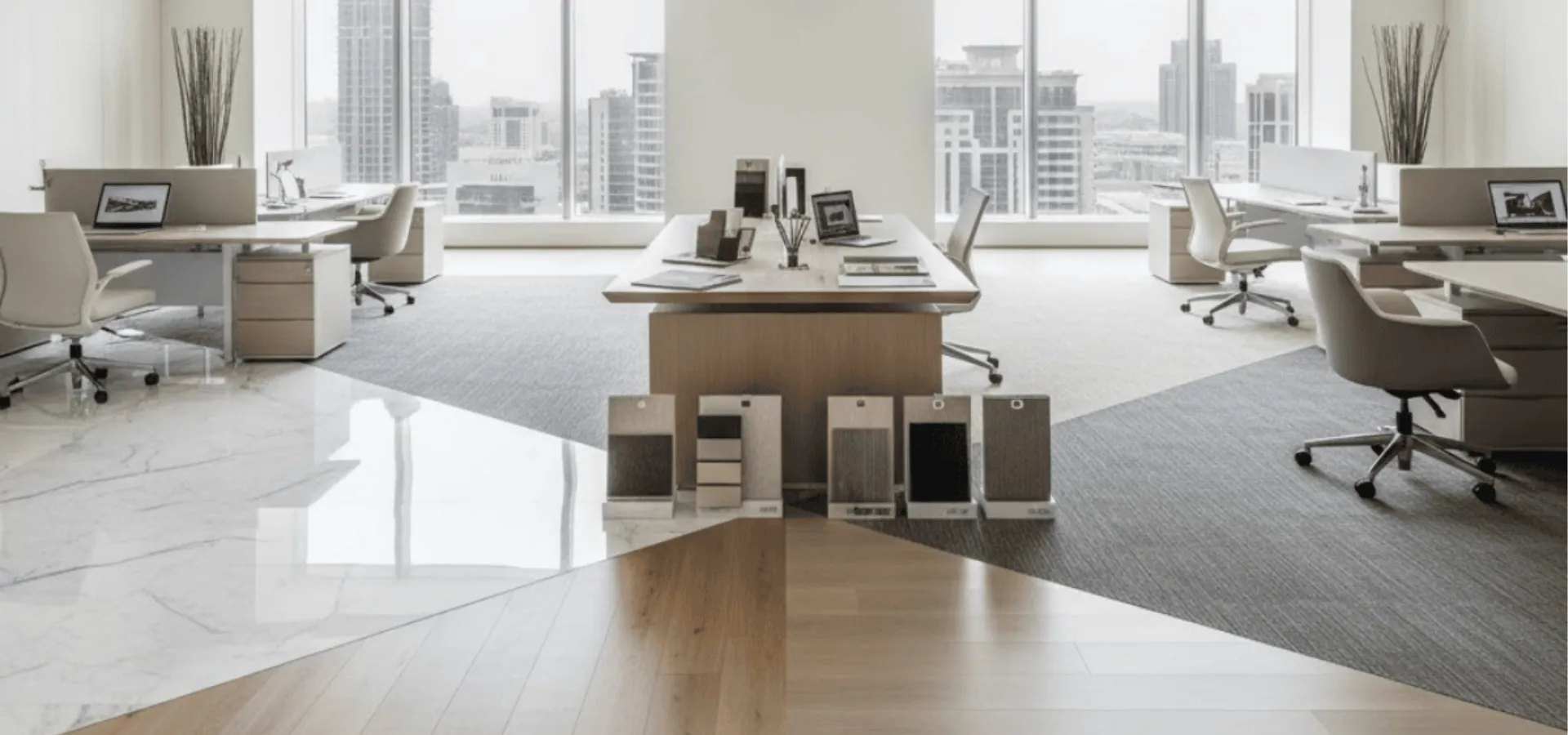
Flooring is one of the most critical elements in any construction or interior design project. It influences not only the appearance of a space but also its durability, comfort, maintenance requirements, and long-term value. Whether you are building a home, renovating an office, or designing a commercial space, choosing the right flooring material is essential for both functionality and aesthetics.
Table of Contents
In this comprehensive guide, we will explore the most popular flooring options, compare their features, advantages, disadvantages, cost considerations, and ideal applications. This will help homeowners, builders, and contractors make informed decisions based on budget, usage, and design preferences.
Why Flooring Selection Matters
The right flooring choice impacts:
- Durability and lifespan of the surface
- Maintenance and cleaning effort
- Resistance to moisture and wear
- Overall interior aesthetics
- Comfort and usability
- Property value
Choosing unsuitable flooring can lead to frequent repairs, discomfort, and increased long-term costs.
Types of Flooring Options Available
Below are the most widely used flooring materials in modern construction.
1. Ceramic Tiles
Ceramic tiles are one of the most commonly used flooring materials due to their affordability and versatility.
Advantages
- Cost-effective
- Easy to clean
- Available in various designs
- Water-resistant
Disadvantages
- Less durable compared to vitrified tiles
- Can chip under heavy impact
Best For
- Bathrooms, kitchens, and walls
2. Vitrified Tiles
Vitrified tiles are highly durable and low-porosity tiles, making them suitable for high-traffic areas.
Advantages
- High strength and durability
- Low water absorption
- Easy maintenance
- Modern appearance
Disadvantages
- Slightly higher cost than ceramic tiles
Best For
- Living rooms, offices, commercial spaces
3. Porcelain Tiles
Porcelain tiles are a type of vitrified tile known for superior density and strength.
Advantages
- Extremely durable
- Scratch and stain resistant
- Suitable for indoor and outdoor use
Disadvantages
- Higher cost
- Difficult to cut and install
Best For
- High-traffic areas, outdoor flooring
4. Marble Flooring
Marble is a premium natural stone flooring option known for elegance and luxury.
Advantages
- High aesthetic value
- Long-lasting
- Adds property value
Disadvantages
- Expensive
- Requires regular polishing
- Prone to stains
Best For
- Premium homes, hotels, luxury interiors
5. Granite Flooring
Granite is a highly durable natural stone flooring option.
Advantages
- Extremely strong
- Scratch-resistant
- Long lifespan
Disadvantages
- High cost
- Limited design variety
Best For
- High-traffic areas, commercial buildings
6. Wooden Flooring
Wood flooring adds warmth and natural beauty to interiors.
Advantages
- Elegant appearance
- Comfortable underfoot
- Good insulation
Disadvantages
- Sensitive to moisture
- Requires maintenance
- Expensive
Best For
- Bedrooms, living areas
7. Vinyl Flooring
Vinyl flooring is a modern and cost-effective option.
Advantages
- Affordable
- Water-resistant
- Easy installation
- Wide design options
Disadvantages
- Less durable than tiles
- Can fade over time
Best For
- Offices, temporary setups, budget homes
8. Concrete Flooring
Concrete flooring is gaining popularity for modern and industrial-style designs.
Advantages
- Highly durable
- Low maintenance
- Cost-effective
Disadvantages
- Hard surface
- Requires sealing
Best For
- Industrial spaces, modern homes
Flooring Comparison Table
| Flooring Type | Durability | Cost | Maintenance | Water Resistance | Best Use |
|---|---|---|---|---|---|
| Ceramic Tiles | Moderate | Low | Easy | High | Kitchen/Bathroom |
| Vitrified Tiles | High | Medium | Very Easy | Very High | Living Areas |
| Porcelain Tiles | Very High | High | Easy | Very High | Indoor/Outdoor |
| Marble | High | Very High | High | Low | Luxury Spaces |
| Granite | Very High | High | Moderate | Medium | Commercial Areas |
| Wood | Moderate | High | High | Low | Bedrooms |
| Vinyl | Moderate | Low | Easy | High | Offices |
| Concrete | Very High | Low | Low | Medium | Industrial/Modern |
Factors to Consider When Choosing Flooring
1. Budget
Choose flooring that fits both initial and maintenance costs.
2. Usage Area
Different rooms require different flooring types.
3. Durability
High-traffic areas require stronger materials.
4. Maintenance
Some flooring types require regular care and polishing.
5. Climate Conditions
Humidity and temperature affect flooring performance.
6. Aesthetic Preference
Choose designs that match interior themes.
Flooring Trends in 2025
- Large-format tiles
- Matte finish surfaces
- Natural stone textures
- Wooden finish vitrified tiles
- Sustainable materials
Modern flooring focuses on both style and functionality.
Frequently Asked Questions (FAQs)
Which flooring is best for Indian homes?
Vitrified tiles are widely considered the best option due to their durability, low maintenance, and resistance to moisture, making them suitable for most climates and usage areas.
Is marble better than tiles?
Marble offers premium aesthetics but requires high maintenance, while tiles are more practical and cost-effective for everyday use.
Which flooring is most durable?
Granite and porcelain tiles are among the most durable flooring options, suitable for heavy traffic areas.
What is the most affordable flooring option?
Ceramic tiles and vinyl flooring are budget-friendly choices.
Is wooden flooring suitable for Indian weather?
Wooden flooring is suitable for dry areas but may not perform well in high humidity or wet conditions.
Which flooring is best for kitchens?
Ceramic or vitrified tiles are ideal due to their water resistance and easy cleaning.
Can flooring affect home temperature?
Yes, materials like marble and tiles keep spaces cool, while wood provides insulation.
How long does tile flooring last?
High-quality tiles can last 20–30 years with proper maintenance.
Is waterproof flooring necessary?
Yes, especially for bathrooms, kitchens, and outdoor areas.
Which flooring adds the most value to property?
Marble, granite, and premium vitrified tiles enhance property value.
Conclusion
Choosing the right flooring is a crucial decision that affects both the functionality and aesthetics of a space. With a wide range of options available—from ceramic and vitrified tiles to marble, wood, and modern vinyl—each material offers unique advantages based on durability, cost, and maintenance.
Understanding the characteristics of each flooring type helps homeowners and builders make informed choices that align with their needs, lifestyle, and budget. While premium options like marble and granite provide luxury appeal, practical choices like vitrified tiles offer durability and ease of maintenance for everyday living.
Modern flooring trends emphasize a balance between style, sustainability, and performance. Whether you are designing a new home or renovating an existing space, investing in the right flooring ensures long-term comfort, durability, and value.
A well-chosen floor is not just a surface—it is the foundation of your interior design and a reflection of your lifestyle.