Table of Contents
Construction sites are among the most hazardous workplaces because they involve heavy machinery, electrical work, working at heights, excavation, sharp tools, and moving materials. Without proper safety measures, construction workers can face serious injuries, accidents, and even fatalities.
A safe construction site protects workers, contractors, visitors, equipment, and nearby properties. It also improves productivity, reduces delays, and prevents legal or financial issues.
Whether it is a small residential project or a large commercial site, safety should always be a top priority.
Why Construction Site Safety Is Important
Construction work involves risks such as falls, slips, electric shocks, machinery accidents, fire hazards, and exposure to dust and chemicals.
| Safety Benefit | Why It Matters |
|---|---|
| Protects Workers | Reduces injuries and accidents |
| Improves Productivity | Workers can perform better in a safe environment |
| Reduces Medical Costs | Fewer injuries mean lower expenses |
| Avoids Project Delays | Accidents can stop work for days or weeks |
| Improves Site Discipline | Organized sites are safer and more efficient |
| Helps Meet Legal Requirements | Avoids penalties and compliance issues |
A good safety plan can significantly reduce the chances of workplace accidents.
Common Hazards on Construction Sites
Before implementing safety measures, it is important to understand the most common construction site hazards.
| Hazard Type | Examples |
|---|---|
| Fall Hazards | Working on roofs, ladders, scaffolding |
| Electrical Hazards | Exposed wires, faulty equipment |
| Machinery Hazards | Cranes, excavators, cutting machines |
| Slip and Trip Hazards | Wet surfaces, loose materials |
| Fire Hazards | Welding, flammable chemicals |
| Falling Objects | Tools, bricks, steel rods |
| Dust and Chemical Exposure | Cement dust, paint fumes |
| Excavation Risks | Trench collapse, unstable soil |
Recognizing these hazards early helps reduce the risk of accidents.
Personal Protective Equipment (PPE)
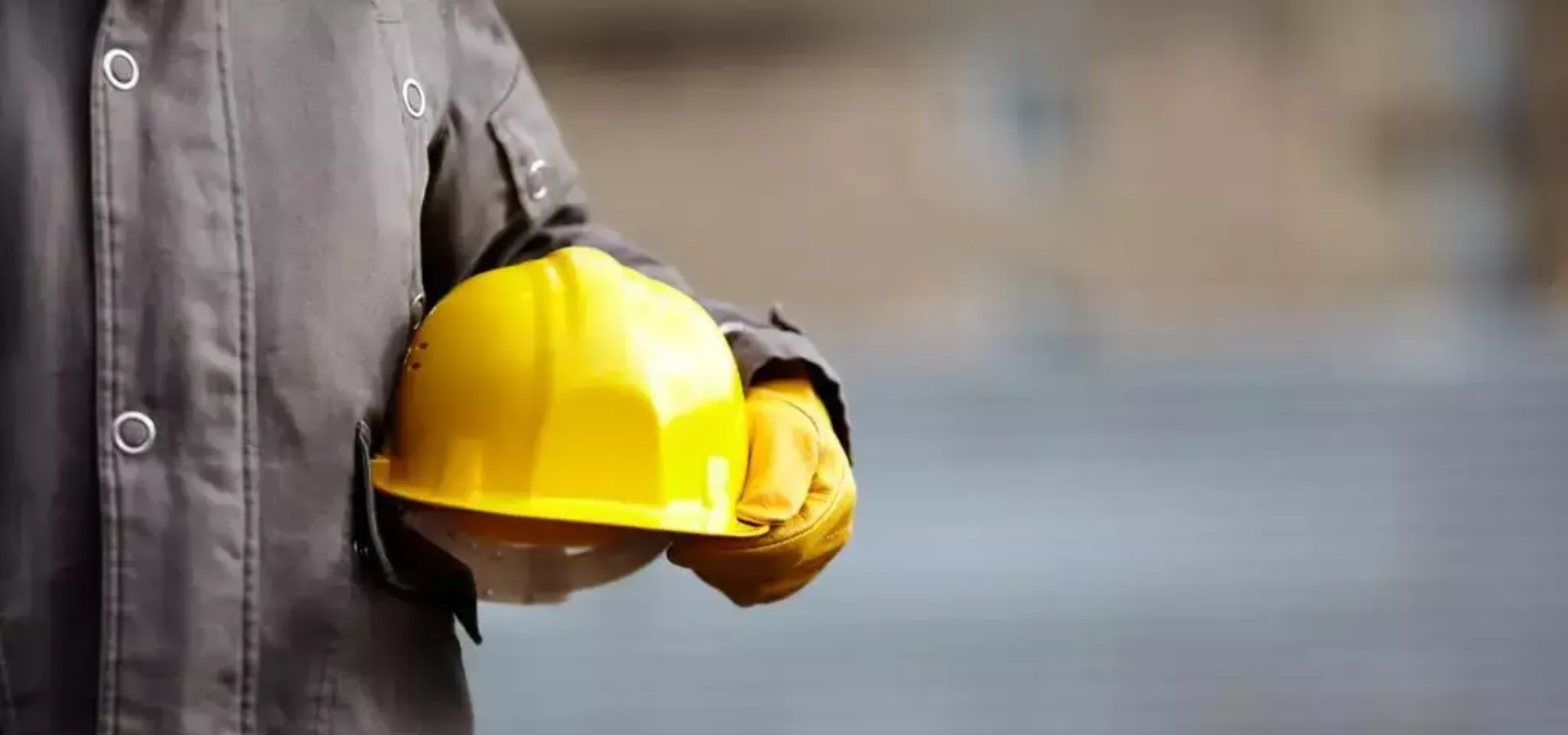
Personal Protective Equipment is one of the most important safety requirements on any construction site.
| PPE Item | Purpose |
|---|---|
| Safety Helmet | Protects the head from falling objects |
| Safety Shoes | Protects feet from sharp objects and heavy materials |
| Gloves | Prevents cuts and hand injuries |
| Safety Goggles | Protects eyes from dust and sparks |
| Face Mask | Reduces dust and chemical inhalation |
| Ear Protection | Protects hearing near loud machinery |
| Safety Harness | Prevents falls while working at heights |
| Reflective Jacket | Improves visibility on site |
Every worker should wear appropriate PPE depending on the type of work being performed.
Site Access Control and Security
Unauthorized access to a construction site can increase the risk of accidents and theft.
| Safety Measure | Benefit |
|---|---|
| Boundary Fencing | Keeps outsiders away |
| Warning Signboards | Alerts people about hazards |
| Security Guards | Prevents theft and unauthorized entry |
| Visitor Register | Tracks site visitors |
| Restricted Areas | Limits access to dangerous zones |
| Adequate Lighting | Improves visibility and security |
Construction sites should always have clear entry and exit points.
Safety Measures for Working at Heights
Falls are one of the leading causes of injuries on construction sites.
| Height Safety Rule | Purpose |
|---|---|
| Use Safety Harnesses | Prevents serious falls |
| Install Guardrails | Provides edge protection |
| Inspect Ladders Regularly | Prevents ladder collapse |
| Use Strong Scaffolding | Supports workers safely |
| Avoid Wet Surfaces | Reduces slip risk |
| Secure Tools Properly | Prevents falling objects |
Workers should never work at heights without proper safety equipment.
Electrical Safety Measures
Electrical accidents can cause severe injuries, fires, and equipment damage.
| Electrical Safety Tip | Why It Is Important |
|---|---|
| Cover Exposed Wires | Prevents electric shock |
| Use Insulated Tools | Improves safety |
| Avoid Overloading Circuits | Prevents short circuits |
| Keep Water Away from Electrical Equipment | Reduces electrocution risk |
| Inspect Electrical Systems Regularly | Identifies faults early |
| Use Proper Grounding | Protects workers and equipment |
Temporary electrical connections on construction sites should always be installed by trained professionals.
Machinery and Equipment Safety
Heavy equipment and machinery can cause serious accidents if used improperly.
| Equipment Safety Rule | Benefit |
|---|---|
| Train Operators Properly | Reduces misuse |
| Inspect Equipment Daily | Detects faults early |
| Keep Safe Distance from Moving Machines | Prevents injuries |
| Use Machine Guards | Protects against moving parts |
| Turn Off Equipment When Not in Use | Avoids accidental operation |
| Store Tools Safely | Prevents trips and injuries |
Only trained and authorized workers should operate heavy machinery.
Fire Prevention Measures
Construction sites often involve welding, cutting, electrical work, and flammable materials.
| Fire Safety Measure | Purpose |
|---|---|
| Keep Fire Extinguishers Ready | Quick response to fire |
| Store Fuel Safely | Reduces fire risk |
| Avoid Smoking Near Flammable Materials | Prevents ignition |
| Inspect Gas Cylinders Regularly | Detects leaks |
| Train Workers on Fire Response | Improves emergency handling |
| Keep Emergency Exits Clear | Ensures fast evacuation |
Every construction site should have a fire safety plan and emergency contact list.
Excavation and Trench Safety
Excavation work can be dangerous if trenches collapse or underground utilities are damaged.
| Excavation Safety Rule | Why It Matters |
|---|---|
| Inspect Soil Conditions | Prevents collapse |
| Use Proper Shoring | Supports trench walls |
| Keep Heavy Loads Away from Edges | Reduces pressure on trench walls |
| Mark Underground Utilities | Prevents pipe or cable damage |
| Provide Safe Entry and Exit | Helps workers move safely |
| Avoid Water Accumulation | Reduces collapse risk |
Excavation areas should be monitored regularly, especially during rainy weather.
Housekeeping and Site Cleanliness
A clean and organized site is safer and more efficient.
| Housekeeping Practice | Benefit |
|---|---|
| Remove Waste Daily | Reduces clutter |
| Store Materials Properly | Prevents accidents |
| Keep Walkways Clear | Avoids slips and trips |
| Stack Bricks and Steel Safely | Prevents collapse |
| Clean Oil and Water Spills Quickly | Reduces slipping hazards |
| Label Hazardous Materials | Improves safety |
Good housekeeping helps reduce accidents and improve work speed.
Emergency Preparedness
Construction sites should always be prepared for emergencies.
| Emergency Preparation Item | Purpose |
|---|---|
| First Aid Kit | Treats minor injuries |
| Emergency Contact Numbers | Fast response during accidents |
| Ambulance Access | Quick medical support |
| Fire Exit Plan | Safe evacuation |
| Safety Training | Helps workers react properly |
| Assembly Point | Safe gathering during emergencies |
Workers should know where emergency equipment and exits are located.
Importance of Worker Training
Safety training is essential because many accidents happen due to lack of awareness or incorrect practices.
| Training Topic | Why It Matters |
|---|---|
| PPE Usage | Ensures proper protection |
| Machinery Operation | Prevents misuse |
| Fire Safety | Reduces fire risk |
| Electrical Safety | Prevents shocks |
| Working at Heights | Reduces fall accidents |
| Emergency Procedures | Improves response time |
Regular training sessions can improve site discipline and reduce unsafe behavior.
Common Safety Mistakes to Avoid
| Mistake | Risk |
|---|---|
| Not Wearing PPE | Increased injury risk |
| Ignoring Small Hazards | Can lead to bigger accidents |
| Overloading Scaffolding | Collapse risk |
| Leaving Tools on Walkways | Trip hazards |
| Poor Lighting | Reduced visibility |
| Using Damaged Equipment | Higher accident risk |
| Not Training Workers | Unsafe work practices |
Even small mistakes can lead to major accidents on construction sites.
Latest Construction Safety Trends in 2025
Technology is playing a bigger role in improving construction safety.
| Safety Trend | Benefit |
|---|---|
| Smart Helmets | Monitor worker safety |
| Drones for Site Inspection | Reduce manual risk |
| Wearable Sensors | Detect fatigue and hazards |
| AI-Based Monitoring | Identifies unsafe behavior |
| Digital Safety Training | Faster learning |
| CCTV Surveillance | Improves security and monitoring |
Modern safety tools can help construction companies reduce accidents and improve site management.
Final Thoughts
Construction safety is not just about following rules. It is about protecting lives, improving productivity, and creating a better work environment.
By using proper safety equipment, training workers, keeping the site clean, and following emergency procedures, construction companies can reduce risks and complete projects more efficiently.
At Pahari Home Solutions, we believe that every construction project should prioritize both qualit