Table of Contents
TMT bars are one of the most important construction materials used in residential, commercial, and industrial projects. They provide strength and stability to the structure and help buildings withstand heavy loads, earthquakes, and harsh weather conditions.
Choosing the right TMT bars is essential because poor-quality steel can weaken the structure and reduce the lifespan of the building. Understanding TMT bar quality standards can help homeowners, contractors, builders, and engineers make the right decision.
What Are TMT Bars?
TMT stands for Thermo Mechanically Treated bars. These are high-strength reinforcement bars used in RCC construction for beams, columns, slabs, foundations, and other structural components.
TMT bars are manufactured using a special process that gives them a tough outer surface and a softer inner core. This combination improves strength, flexibility, and durability.
Why TMT Bar Quality Matters
The quality of TMT bars directly affects the safety and strength of a building.
| Importance of Quality TMT Bars | Benefit |
|---|---|
| High Strength | Supports heavy loads |
| Better Flexibility | Improves earthquake resistance |
| Corrosion Resistance | Prevents rusting |
| Fire Resistance | Improves safety during fire |
| Longer Lifespan | Reduces maintenance cost |
| Better Bonding With Concrete | Increases structural stability |
Low-quality TMT bars may bend, crack, rust quickly, or fail under pressure, which can create major structural risks.
Key Quality Standards for TMT Bars in India
In India, TMT bars are governed by BIS standards and IS codes.
| Standard | Purpose |
| IS 1786 | Main quality standard for high-strength deformed steel bars |
| BIS Certification | Confirms product quality and compliance |
| Fe 415 Grade | Suitable for small residential buildings |
| Fe 500 Grade | Commonly used in residential construction |
| Fe 550 Grade | Used for heavy-load structures |
| Fe 600 Grade | Used in industrial and infrastructure projects |
IS 1786 specifies the mechanical and chemical properties required for TMT bars used in reinforced concrete construction.
Understanding Different TMT Grades
TMT bars are available in different grades based on yield strength.
| Grade | Yield Strength | Common Use |
| Fe 415 | 415 N/mm² | Small houses and low-rise buildings |
| Fe 500 | 500 N/mm² | Residential buildings |
| Fe 500D | Higher ductility than Fe 500 | Earthquake-prone areas |
| Fe 550 | 550 N/mm² | Commercial buildings |
| Fe 550D | Better ductility and flexibility | Heavy construction |
| Fe 600 | 600 N/mm² | Bridges and industrial structures |
Fe 500 and Fe 500D are among the most commonly used grades in house construction because they offer a good balance of strength and flexibility.
Mechanical Properties of Good Quality TMT Bars
A good TMT bar should meet certain mechanical requirements.
| Property | Why It Matters |
| Yield Strength | Determines load-bearing capacity |
| Tensile Strength | Indicates resistance to breaking |
| Elongation | Measures flexibility |
| Bendability | Helps during construction |
| Weldability | Allows easier joining |
| Fatigue Resistance | Withstands repeated stress |
Higher elongation means the TMT bar can bend more before breaking, which is especially important in earthquake-prone regions.
Chemical Composition Standards
The chemical composition of TMT bars affects corrosion resistance, strength, and weldability.
| Chemical Element | Recommended Limit |
| Carbon | Lower carbon improves weldability |
| Sulphur | Should be low |
| Phosphorus | Should be low |
| Manganese | Improves strength |
| Sulphur + Phosphorus | Usually below 0.11% |
Lower sulphur and phosphorus content improves the durability and overall quality of TMT bars.
Important Features of High-Quality TMT Bars
| Feature | Benefit |
| Ribbed Surface | Improves bonding with concrete |
| Corrosion Resistance | Suitable for humid areas |
| Earthquake Resistance | Protects against seismic damage |
| Fire Resistance | Withstands high temperatures |
| Uniform Weight | Ensures accurate steel usage |
| Proper Marking | Helps identify grade and brand |
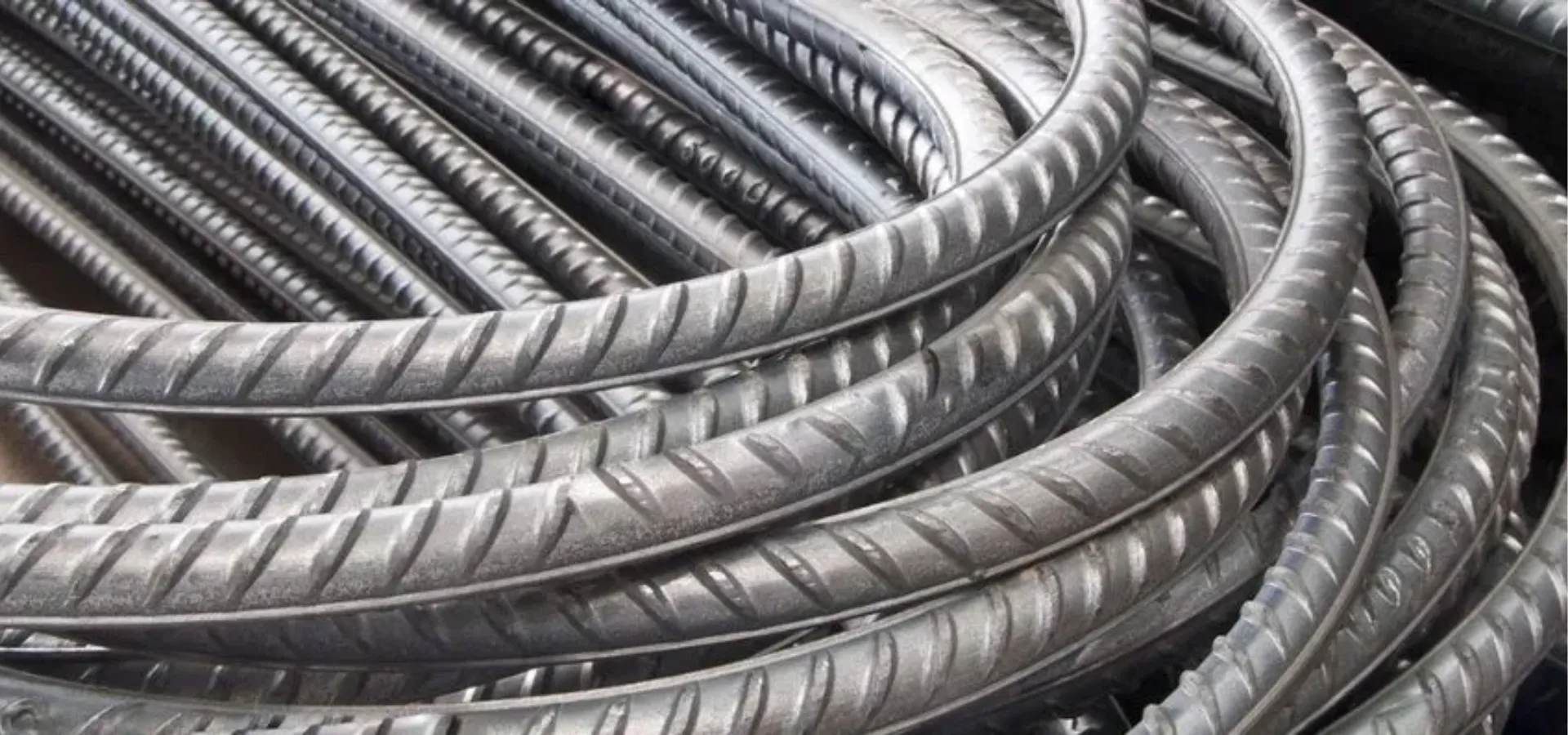
High-quality TMT bars usually have clear brand markings, BIS certification marks, and grade identification printed on the surface.
How to Identify Good Quality TMT Bars
Before purchasing TMT bars, buyers should inspect the material carefully.
| Inspection Factor | What to Check |
| Surface Finish | Should be free from cracks and rust |
| Uniform Diameter | Same thickness throughout |
| Weight Consistency | Should match standard weight |
| Rib Pattern | Even and clear ribs |
| Brand Marking | Must show grade and certification |
| BIS Mark | Confirms quality standard |
Always ask for a test certificate and invoice when purchasing TMT bars.
Standard Weight of TMT Bars
TMT bars are available in different diameters, and each size has a standard weight.
| Bar Diameter | Weight Per Meter |
| 6 mm | 0.222 kg |
| 8 mm | 0.395 kg |
| 10 mm | 0.617 kg |
| 12 mm | 0.888 kg |
| 16 mm | 1.58 kg |
| 20 mm | 2.47 kg |
| 25 mm | 3.85 kg |
| 32 mm | 6.31 kg |
Checking the weight of TMT bars helps ensure that the material meets the required quality standards.
TMT Bar Sizes and Their Uses
| TMT Bar Size | Common Use |
| 6 mm | Stirrups and small reinforcement |
| 8 mm | Slabs and light structures |
| 10 mm | Slabs and small beams |
| 12 mm | Beams and columns |
| 16 mm | Foundations and columns |
| 20 mm | Heavy beams and load-bearing structures |
| 25 mm and Above | Bridges and industrial projects |
Different sizes are used depending on the type of construction and structural load.
Corrosion Resistance in TMT Bars
Corrosion is one of the biggest threats to steel reinforcement.
| Cause of Corrosion | Impact |
| Moisture | Causes rusting |
| Coastal Climate | Increases corrosion risk |
| Poor Concrete Cover | Exposes steel |
| Low-Quality Steel | Rusts quickly |
Corrosion-resistant TMT bars are especially important for coastal areas, high-humidity regions, and water-exposed structures.
Earthquake Resistance and Ductility
Ductility is one of the most important features of modern TMT bars.
| TMT Type | Ductility Level |
| Fe 500 | Moderate |
| Fe 500D | High |
| Fe 550D | Very High |
Higher ductility means the bars can absorb shocks and vibrations without breaking suddenly. This is why Fe 500D and Fe 550D bars are often recommended for earthquake-prone regions.
Common Mistakes When Buying TMT Bars
| Mistake | Why It Is Risky |
| Buying Based Only on Price | May lead to poor quality |
| Ignoring BIS Certification | Risk of non-standard material |
| Choosing Wrong Grade | May reduce structural safety |
| Not Checking Weight | Can result in underweight bars |
| Ignoring Rust or Damage | Affects durability |
| Buying From Unverified Suppliers | Higher chance of fake products |
Choosing reliable suppliers and trusted brands can help avoid these issues.
Popular TMT Bar Brands in India
| Brand Category | Common Examples |
| National Brands | Tata Tiscon, JSW Neosteel, SAIL |
| Regional Brands | Varies by state and city |
| Premium Earthquake-Resistant Bars | Fe 500D and Fe 550D bars |
Always compare certification, weight, ductility, and warranty before selecting a brand.
Tips for Selecting the Right TMT Bars
| Tip | Benefit |
| Choose BIS-Certified Bars | Ensures standard quality |
| Select Correct Grade | Matches project requirements |
| Check Weight and Diameter | Prevents material shortage |
| Buy From Trusted Dealers | Reduces fake product risk |
| Compare Corrosion Resistance | Better for long-term durability |
| Consider Earthquake Resistance | Improves safety |
Final Thoughts
TMT bars are one of the most important materials in any construction project. Their strength, durability, and flexibility directly affect the safety and lifespan of the building.
Understanding TMT bar grades, BIS standards, weight, ductility, corrosion resistance, and quality markings can help homeowners and builders choose the right material.
For most residential projects, Fe 500 and Fe 500D TMT bars are usually the best choices because they provide a strong balance of strength, flexibility, and durability.
At Pahari Home Solutions, we help customers choose the right TMT bars and construction materials for safe and long-lasting buildings.