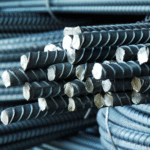
TMT (Thermo-Mechanically Treated) bars are the structural backbone of reinforced concrete construction. Whether you are building a residential home, commercial complex, or infrastructure project, the quality of TMT bars directly determines the strength, durability, and safety of the structure. Using substandard steel can lead to cracks, corrosion, structural weakness, and costly repairs.
Understanding how to check the quality of TMT bars before purchasing and during construction is essential for homeowners, contractors, engineers, and builders. This detailed guide explains practical on-site checks, laboratory tests, IS standards, and expert tips to ensure you buy genuine, certified TMT bars.
Why Checking TMT Bar Quality is Important
Poor-quality reinforcement steel can cause:
- Reduced load-bearing capacity
- Increased risk during earthquakes
- Early corrosion and rusting
- Structural cracks
- Higher long-term maintenance costs
On the other hand, high-quality TMT bars provide:
- High tensile strength
- Superior ductility
- Earthquake resistance
- Long structural life
- Better bonding with concrete
1. Check ISI Certification and Grade Marking
The first and most important step is verifying that the TMT bars are ISI-certified as per IS 1786 standards.
Look for the following on the bar surface:
- ISI mark
- Brand name embossing
- Grade marking (Fe 500, Fe 500D, Fe 550D, etc.)
ISI certification ensures the bar meets required mechanical and chemical standards.
Why This Matters
Non-certified bars may not meet yield strength or elongation requirements, compromising structural safety.
2. Visual Inspection of the Surface
A simple visual inspection can reveal several quality indicators.
Check for:
- Uniform rib pattern
- Clear and consistent embossing
- Smooth finish without surface cracks
- No excessive rusting
- Proper straightness
Rib Pattern Importance
The ribs improve bonding between steel and concrete. Irregular ribs may reduce structural grip.
3. Bend Test (Field Test)
The bend test is a practical method to check ductility.
Procedure:
Bend the TMT bar to 180 degrees around a mandrel.
Result:
- Good quality bar bends without cracks
- Poor quality bar develops cracks or breaks
This test ensures the steel can withstand stress without failure.
4. Re-Bend Test
The re-bend test checks resistance to thermal stress.
Process:
- Bend the bar
- Heat it to a specified temperature
- Cool it
- Bend it again
If cracks appear, the bar may lack proper ductility or heat treatment.
This test is important for fire resistance and long-term durability.
5. Check Weight per Meter
Underweight TMT bars are a common malpractice in the market. Always verify the weight.
Standard Weight Chart
| Diameter (mm) | Standard Weight (kg/m) |
|---|---|
| 8 mm | 0.395 |
| 10 mm | 0.617 |
| 12 mm | 0.888 |
| 16 mm | 1.580 |
| 20 mm | 2.470 |
| 25 mm | 3.850 |
| 32 mm | 6.310 |
Use a weighing scale and measuring tape to verify.
Why This Is Important
Lower weight means less steel content and reduced strength.
6. Tensile Strength Test (Laboratory Test)
This test measures:
- Yield strength
- Ultimate tensile strength
- Elongation percentage
It is performed using a Universal Testing Machine (UTM).
Importance:
High tensile strength ensures the steel can carry heavy loads safely.
7. Elongation Test
Elongation measures how much a bar stretches before breaking.
Higher elongation means:
- Better flexibility
- Higher earthquake resistance
- Lower risk of sudden failure
Grades like Fe 500D and Fe 550D have higher elongation values compared to standard grades.
8. Chemical Composition Test
The chemical makeup of TMT bars affects performance.
Key elements checked:
| Element | Effect |
|---|---|
| Carbon | Strength & weldability |
| Sulphur | Controls brittleness |
| Phosphorus | Affects corrosion resistance |
| Manganese | Improves strength |
Low carbon improves ductility, while controlled sulfur and phosphorus enhance corrosion resistance.
9. Corrosion Resistance Check
Steel exposed to moisture can corrode. High-quality TMT bars resist rust.
Check for:
- Uniform color
- No deep rust flakes
- No pitting
Corrosion-resistant bars increase building lifespan.
10. Spark Test (Basic Quality Check)
Grinding the steel produces sparks.
- Bright, uniform sparks indicate good quality
- Dull, irregular sparks may indicate impurities
This is a basic test and should not replace certified lab testing.
11. Check Brand Reputation and Supplier Credibility
Always buy from:
- Authorised dealers
- Registered suppliers
- GST-compliant businesses
- Companies with warehouse facilities
Avoid unusually low prices that seem unrealistic.
12. Ask for Test Certificates
Professional suppliers can provide:
- Mill test certificates
- Chemical composition reports
- Mechanical property reports
These documents verify compliance with IS standards.
Common Mistakes to Avoid
- Buying from unknown local traders
- Ignoring ISI certification
- Choosing based only on low price
- Not checking weight
- Mixing different grades in the same structure
Why Choosing the Right Supplier Matters
Even the best TMT brand can be compromised by improper storage or handling.
Choose suppliers who:
- Store steel in covered warehouses
- Offer proper billing and documentation
- Provide expert consultation
- Ensure timely delivery
Frequently Asked Questions (FAQs)
How can I identify genuine TMT bars?
Check for ISI mark, brand embossing, grade marking, and purchase from authorised dealers.
What is the most important test for TMT bars?
The tensile strength and elongation tests are critical for determining load-bearing capacity and ductility.
Why is weight verification important?
Underweight bars contain less steel, reducing structural strength.
Which TMT grade is best for house construction?
Fe 500D is commonly recommended due to its balance of strength and ductility.
Can rusted TMT bars be used?
Light surface rust is acceptable, but deep corrosion or flaking weakens the bar.
Is bend testing enough to confirm quality?
Bend testing checks ductility but should be supported by ISI certification and lab testing.
How does ductility help during earthquakes?
Ductile bars absorb seismic energy by bending instead of breaking.
Why is IS 1786 important?
It defines mechanical and chemical standards for TMT bars in India.
Can different grades be used in one structure?
It is better to maintain grade consistency in critical structural elements.
How often should TMT quality be checked?
Every batch should be verified before use in major construction projects.
Conclusion
Checking the quality of TMT bars is not just a technical requirement—it is a responsibility toward structural safety. From ISI certification and visual inspection to bend testing, weight verification, and laboratory analysis, each method plays a vital role in ensuring steel reliability.
High-quality TMT bars provide strength, flexibility, corrosion resistance, and earthquake safety. Compromising on reinforcement quality can lead to long-term structural risks and financial losses.
Always purchase TMT bars from trusted, authorised suppliers who provide genuine products, proper documentation, and professional service. A strong building starts with strong steel—and strong steel begins with careful quality verification.
Safety in construction is not an expense; it is an investment in durability and peace of mind.