Sustainable construction is no longer a future concept — it has become a core strategy for modern building practices across India, including regions like Purba Medinipur and Paschim Medinipur. In 2025, innovations in eco-friendly materials, energy-efficient design, waste reduction strategies, and smart technologies are reshaping how builders, developers, and homeowners approach construction.
In this detailed guide, we explore the latest sustainable construction trends that are influencing the industry today — from renewable materials and energy strategies to local adoption in eastern India.
Table of Contents
What Is Sustainable Construction?
Sustainable construction refers to the process of designing, building, and operating buildings in ways that minimise environmental impact, conserve resources, reduce waste, and promote healthier living environments. It includes using eco-friendly materials, implementing energy-efficient systems, and prioritising long-term resource efficiency.
1. Use of Eco-Friendly Building Materials
Construction materials form the foundation of sustainable practices. In 2025, a shift toward green materials is more prominent than ever. Key innovations include:
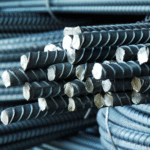
- Recycled steel and TMT bars with low embodied energy
- Fly ash bricks and compressed earth blocks
- Bamboo and engineered timber for lightweight structures
- Low-VOC paints and finishes to improve indoor air quality
These materials reduce carbon footprint and improve the durability of structures.
2. Green Concrete and Low Carbon Cement Alternatives
Concrete production is a major source of CO₂ emissions. To reduce this impact, builders are adopting:
- Green concrete mixes using industrial byproducts
- Blended cements incorporating fly ash and slag
- Carbon-sequestering concrete technologies
These methods maintain strength while lowering the environmental footprint.
3. Renewable Energy Integration
Sustainable construction today incorporates energy generation as part of design. Solar panels, solar roof tiles, and hybrid renewable systems are becoming standard, especially in:
- Commercial complexes
- Residential gated communities
- Government and public infrastructure buildings
In Purba & Paschim Medinipur, increasing adoption of rooftop solar systems supports energy self-sufficiency and reduces electricity costs.
4. Energy-Efficient Design and Passive Cooling
Design strategies are shifting toward naturally efficient building layouts:
- Proper orientation to maximise daylight
- Ventilation corridors for natural airflow
- Green shading elements (trees, pergolas)
Passive cooling reduces dependency on mechanical air conditioning, cutting energy use substantially.
5. Rainwater Harvesting & Water Efficiency
Water scarcity and conservation efforts are central to sustainable construction. The latest trends include:
- Dual plumbing systems for reuse of greywater
- Rainwater harvesting tanks and recharge pits
- Water-efficient fixtures & smart metering
These solutions reduce municipal water demand and support agricultural reuse.
6. Waste Management & Circular Construction
Construction waste traditionally ends up in landfills. Current sustainable practices emphasise:
- On-site segregation of waste
- Recycling and reuse of demolition materials
- Modular and prefabricated construction elements
Circular construction minimises raw material usage and supports long-term sustainability.
7. Digital Technologies & Smart Construction
Smart technologies are transforming the building process:
- Building Information Modelling (BIM) for efficient project planning
- IoT sensors for energy and water monitoring
- AI-driven optimisation for material usage
These technologies reduce errors, time, and waste.
8. Community-Centred Sustainable Planning
In 2025, sustainable construction moves beyond individual buildings to community planning:
- Green public spaces
- Pedestrian-friendly layouts
- Micro parks, tree canopy planning
Such planning provides healthier neighbourhoods in districts like Purba and Paschim Medinipur.
9. Government Policies & Incentives
State and national policies are encouraging green construction through:
- Energy efficiency subsidies
- Solar rooftop incentives
- Green building certifications (e.g., GRIHA, IGBC)
Builders and developers increasingly adopt these frameworks to gain cost benefits and compliance.
10. Certification & Green Building Standards
Green building certifications provide credibility and ensure best practice:
| Certification | Covered Area | Impact |
|---|---|---|
| GRIHA | Whole building | Lifecycle sustainability |
| IGBC | Multiple rating systems | Energy, water, material |
| EDGE | Resource efficiency | Cost & carbon savings |
Certification adoption is rising across West Bengal as projects prioritise long-term sustainability.
Local Focus: Sustainability in Purba Medinipur & Paschim Medinipur
These districts are witnessing a gradual but consistent increase in eco-conscious construction practices, driven by:
- Local builders adopting renewable energy systems
- Community water conservation initiatives
- Preference for low-impact materials
- Government infrastructure projects incorporating environmental guidelines
With urban expansion, demand for sustainable solutions is expected to grow significantly in these regions.
Frequently Asked Questions (FAQs)
1. What makes construction “sustainable”?
Sustainable construction uses materials and design practices that reduce environmental impact, conserve resources, and promote human health throughout a building’s life cycle.
2. Are sustainable building materials more expensive?
Sometimes the initial cost may be slightly higher, but long-term savings from energy efficiency, maintenance, and durability typically offset upfront costs.
3. How does sustainable construction save energy?
Energy-efficient design, insulation, natural ventilation, solar systems, and smart controls all reduce reliance on grid electricity and lower utility bills.
4. Can water harvesting make buildings self-sufficient?
Yes, when paired with rainwater storage and greywater reuse, rainwater harvesting significantly reduces dependency on municipal water supplies.
5. What are the best eco-friendly roofing options?
Cool roofs, green roofs, and reflective solar panels all reduce heat gain and improve energy efficiency.
6. Is sustainable construction suitable for all types of buildings?
Yes — from homes to industrial facilities, sustainability principles can be adapted to any project.
7. Do sustainable buildings increase property value?
Yes, green and sustainable buildings often command higher market value due to lower operating costs and healthier environments.
8. What certifications matter most in India?
GRIHA, IGBC, and EDGE are widely recognised standards that validate sustainable construction practices.
9. How can contractors start implementing sustainability?
Begin with material selection, energy-efficient design, waste management plans, and use of renewable systems aligned with local needs.
10. Does sustainable construction benefit communities?
Absolutely. It improves air quality, conserves water, reduces waste, and enhances overall quality of life for residents.
Final Thoughts
Sustainable construction is no longer optional — it is integral to responsible building and development. In 2025, rapid advancements in material science, digital building technologies, renewable energy integration, and waste-reduction practices are empowering builders and homeowners alike to create structures that are robust, resource-efficient, and future-ready.
For regions like Purba Medinipur and Paschim Medinipur, adopting sustainable construction practices means resilient infrastructure, healthier communities, and better use of local resources — all while contributing to India’s larger goals of environmental stewardship and economic growth.
Stay Connected for Quality Building Support
📍 Delivery across Purba Medinipur, Paschim Medinipur, Jhargram, Kolkata, Howrah and other areas of West Bengal with assured quality & timely delivery
📞 For orders & enquiries: +91 7584055356
📧 Mail us on official@paharihomesolutions.in
🌐 Visit Steel Sathi https://steelsathi.com/
🏢 Pahari Home Solutions Pvt. Ltd. – One Stop Solution for All Your Construction Needs!
Sustainable today. Strong tomorrow. Future assured.