Roofing is one of the most critical components of any building. It protects the structure from environmental elements such as rain, heat, wind, and dust, while also contributing to energy efficiency, aesthetics, and long-term durability. With advancements in construction technology, modern roofing solutions in 2025 have evolved significantly, offering improved strength, insulation, sustainability, and design flexibility.
Table of Contents
Whether you are building a new home, renovating an existing property, or planning a commercial project, understanding different roofing types and their benefits helps you make the right decision. This comprehensive guide explores modern roofing systems, their advantages, comparisons, and best practices, along with detailed FAQs for better understanding.
Why Modern Roofing Matters
A well-designed roofing system offers:
- Protection against weather conditions
- Improved thermal insulation
- Enhanced structural durability
- Better energy efficiency
- Aesthetic appeal
- Reduced maintenance cost
Modern roofing solutions focus not only on protection but also on sustainability, performance, and long-term cost savings.
Types of Modern Roofing Solutions
1. Reinforced Concrete Roof (RCC Roof)
RCC roofing remains one of the most widely used roofing systems in India.
Features:
- Strong and durable
- Long lifespan
- Suitable for multi-storey buildings
Applications:
- Residential homes
- Commercial buildings
- High-rise structures
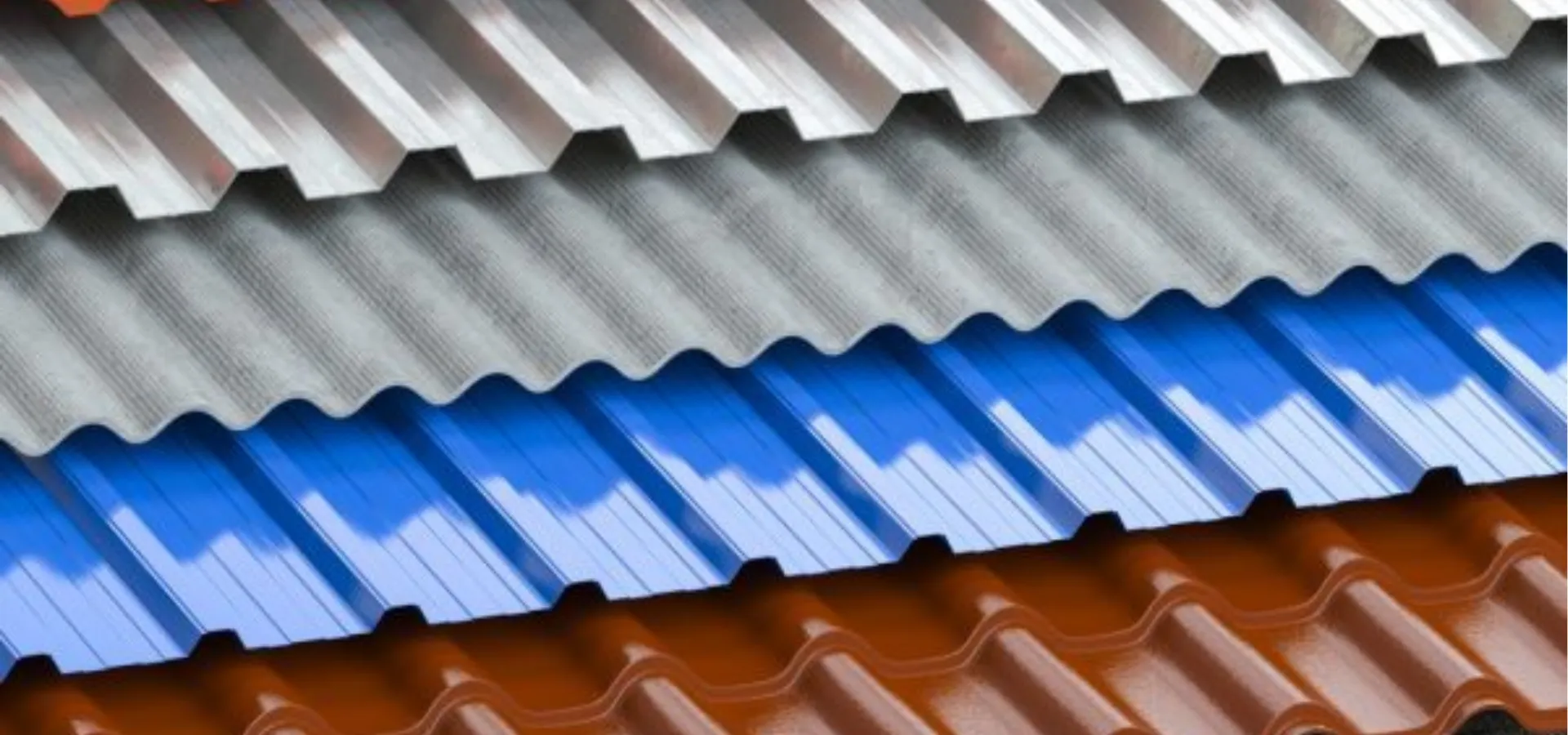
2. Metal Roofing Sheets
Metal roofing has gained popularity due to its lightweight and fast installation.
Features:
- Corrosion-resistant coatings
- Easy installation
- Long-lasting performance
Applications:
- Industrial sheds
- Warehouses
- Farmhouses
3. TPO and PVC Roofing
Thermoplastic roofing systems are modern solutions for flat roofs.
Features:
- Waterproof membrane
- UV resistance
- Energy efficiency
Applications:
- Commercial buildings
- Shopping malls
- Hospitals
4. Green Roofs (Eco-Friendly Roofing)
Green roofs integrate vegetation over waterproof membranes.
Features:
- Reduces heat absorption
- Improves air quality
- Enhances insulation
Applications:
- Urban homes
- Commercial complexes
- Sustainable buildings
5. Solar Roofing Systems
Solar roofs combine energy generation with structural roofing.
Features:
- Generates renewable energy
- Reduces electricity bills
- Environment-friendly
Applications:
- Residential and commercial buildings
6. Polycarbonate Roofing
Polycarbonate sheets are used where natural light is required.
Features:
- Transparent or translucent
- Lightweight
- Impact resistant
Applications:
- Skylights
- Parking sheds
- Greenhouses
7. Clay and Concrete Tile Roofing
Traditional yet modernized roofing system with improved durability.
Features:
- Excellent thermal insulation
- Aesthetic appeal
- Weather resistance
Applications:
- Villas
- Bungalows
- Premium homes
8. Bitumen Roofing
Bitumen roofing is used mainly for waterproofing flat surfaces.
Features:
- Strong waterproofing
- Flexible application
- Durable under extreme weather
Applications:
- Flat roofs
- Basements
- Industrial buildings
Comparison of Modern Roofing Types
| Roofing Type | Durability | Cost | Installation Time | Maintenance | Best Use |
|---|---|---|---|---|---|
| RCC Roof | Very High | High | Moderate | Low | Residential & Commercial |
| Metal Roofing | High | Moderate | Fast | Low | Industrial |
| TPO/PVC | High | Moderate | Fast | Low | Commercial |
| Green Roof | Moderate | High | Slow | Moderate | Eco Projects |
| Solar Roofing | High | High | Moderate | Low | Energy Efficient Homes |
| Polycarbonate | Moderate | Moderate | Fast | Low | Skylights |
| Tile Roofing | High | High | Moderate | Low | Villas |
| Bitumen Roofing | High | Moderate | Moderate | Moderate | Flat Roofs |
Benefits of Modern Roofing Solutions
Improved Energy Efficiency
Modern roofing materials reflect heat, reducing indoor temperature and lowering energy consumption.
Enhanced Durability
Advanced materials provide longer lifespan and resistance to harsh weather conditions.
Sustainability
Eco-friendly roofing solutions like green roofs and solar systems reduce environmental impact.
Cost Efficiency
Although initial investment may be higher, modern roofs reduce maintenance and energy costs over time.
Design Flexibility
Architects can design innovative structures with different roofing styles and materials.
Choosing the Right Roofing Solution
Factors to consider:
- Climate conditions
- Building type
- Budget
- Structural design
- Maintenance requirements
- Energy efficiency goals
Selecting the right roofing system ensures long-term performance and cost savings.
Installation Best Practices
- Use high-quality materials
- Ensure proper waterproofing
- Follow structural design guidelines
- Hire experienced professionals
- Conduct regular inspections
Proper installation is essential for maximum performance.
Maintenance Tips for Roofing Systems
- Inspect roof annually
- Clean drainage systems
- Repair cracks immediately
- Remove debris
- Check waterproofing layers
Routine maintenance extends roof lifespan.
Frequently Asked Questions (FAQs)
Which roofing type is best for residential houses in India?
RCC roofing is widely preferred due to its strength and durability, but tile roofing and solar roofing are also popular for modern homes.
Is metal roofing suitable for hot climates?
Yes, metal roofing with reflective coatings can reduce heat absorption and improve energy efficiency.
What is the lifespan of modern roofing systems?
Depending on the material, modern roofs can last between 20 to 50 years or more with proper maintenance.
Are green roofs practical for Indian homes?
Yes, especially in urban areas where they help reduce heat and improve air quality.
How does solar roofing benefit homeowners?
Solar roofing reduces electricity bills and promotes renewable energy usage.
Is waterproofing necessary for all roofs?
Yes, especially for flat roofs, to prevent leakage and structural damage.
Which roofing system is most cost-effective?
Metal roofing and RCC are generally cost-effective options depending on project requirements.
Can roofing improve energy efficiency?
Yes, insulated and reflective roofing materials significantly reduce cooling costs.
Do modern roofs require frequent maintenance?
No, but periodic inspection is necessary to maintain performance.
Is polycarbonate roofing durable?
Yes, it is lightweight and impact-resistant, suitable for specific applications like skylights.
How do I choose between tile and metal roofing?
Tiles offer aesthetics and insulation, while metal roofing provides faster installation and lower cost.
Can I install solar panels on any roof?
Most roofs can support solar panels, but structural evaluation is recommended.
Conclusion
Modern roofing solutions in 2025 represent a perfect blend of strength, innovation, sustainability, and efficiency. From traditional RCC roofs to advanced solar and green roofing systems, today’s options cater to diverse construction needs and environmental conditions.
Selecting the right roofing solution requires careful consideration of climate, budget, building type, and long-term goals. Investing in high-quality materials and proper installation ensures durability, safety, and reduced maintenance costs.
As construction practices continue to evolve, modern roofing is no longer just about protection—it is about creating energy-efficient, sustainable, and future-ready structures. By choosing the right roofing system and maintaining it properly, you can ensure long-lasting performance and enhanced property value.
A strong roof is not just a structural necessity—it is a long-term investment in comfort, safety, and sustainability.