Construction projects rely heavily on the quality and safe handling of building materials. Whether it is cement, TMT bars, aggregates, paints, tiles, structural steel, or doors and windows, improper storage, transportation, or usage can compromise both worker safety and structural integrity. Understanding and following safety guidelines for building materials is essential for contractors, engineers, site supervisors, and homeowners who aim to ensure long-term durability and risk-free construction.
This comprehensive guide explains best practices for handling, storing, transporting, and using construction materials safely. It also covers common risks, preventive measures, and frequently asked questions related to construction material safety.
Table of Contents
Why Safety Guidelines for Building Materials Matter
Building materials are heavy, chemically reactive, and sometimes hazardous if mishandled. Poor safety practices can result in:
- Structural failure
- Worker injuries
- Fire hazards
- Material wastage
- Increased project costs
- Environmental damage
Following proper safety guidelines ensures:
- Worker protection
- Material durability
- Compliance with construction standards
- Reduced accidents
- Efficient project execution
Safety is not an optional step in construction—it is a responsibility.
General Safety Guidelines for All Building Materials
Every construction site must implement basic safety measures:
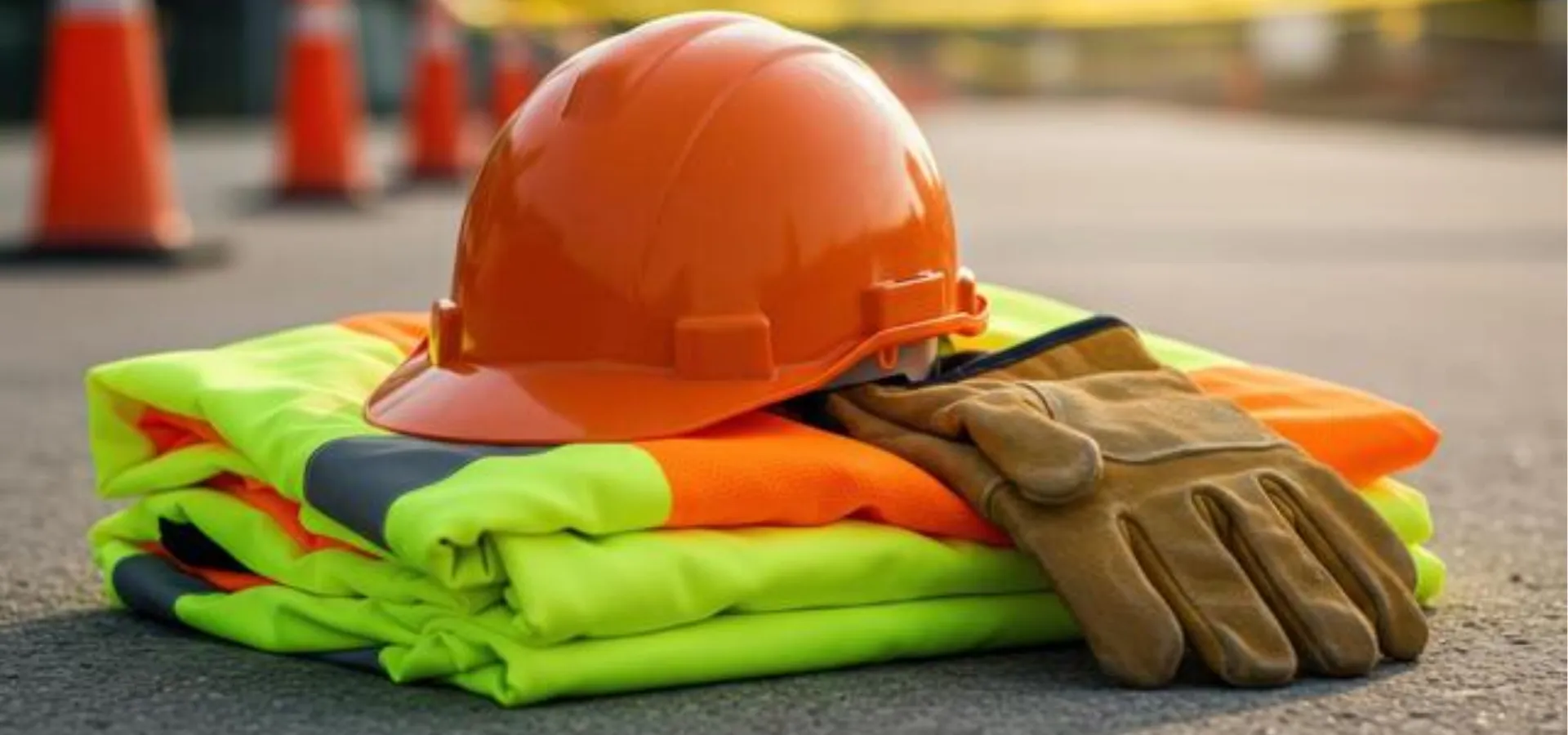
- Use proper personal protective equipment (PPE) such as helmets, gloves, safety shoes, and goggles
- Store materials in designated, organized areas
- Avoid overcrowding storage spaces
- Maintain clear pathways for material movement
- Keep materials away from water and moisture unless required
- Train workers in safe handling practices
Safety Guidelines for Cement
Cement is a fine powder that can cause skin irritation and respiratory issues.
Storage Safety
- Store cement bags in dry, moisture-free warehouses
- Stack bags on raised platforms
- Avoid direct contact with walls
- Follow FIFO (First In, First Out) method
Handling Safety
- Use gloves while handling cement
- Wear masks to prevent inhalation
- Avoid prolonged skin exposure
Improper cement storage can reduce strength and lead to structural weakness.
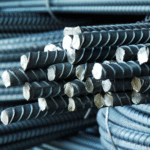
Safety Guidelines for TMT Bars and Steel
TMT bars and structural steel are heavy and sharp-edged materials.
Storage Safety
- Store on flat, stable surfaces
- Keep steel elevated from the ground
- Avoid exposure to excessive moisture
Handling Safety
- Use proper lifting equipment
- Wear gloves to prevent cuts
- Avoid stacking too high to prevent collapse
Improper handling can cause severe injuries and material damage.
Safety Guidelines for Sand and Aggregates
Sand and aggregates must be stored correctly to prevent contamination.
- Store on clean surfaces
- Protect from mud and organic contamination
- Avoid mixing different grades
- Cover during heavy rain
Contaminated aggregates reduce concrete strength.
Safety Guidelines for Bricks and Blocks
Bricks and blocks are fragile and heavy.
- Stack uniformly
- Avoid stacking too high
- Protect from rain
- Ensure stable base
Falling stacks can cause injuries and breakage.
Safety Guidelines for Paints and Chemicals
Paints, solvents, and coatings contain chemicals that can be flammable and hazardous.
- Store in cool, ventilated areas
- Keep away from direct sunlight
- Avoid open flames nearby
- Use gloves and masks while applying
Improper storage can cause fire accidents.
Safety Guidelines for Tiles and Glass Materials
Tiles and glass materials are fragile and sharp.
- Store vertically when required
- Avoid impact during handling
- Use gloves
- Ensure stable stacking
Broken glass can cause severe injuries.
Safety Guidelines for Doors and Windows
Steel, wooden, and UPVC doors and windows require careful handling.
- Protect edges during transportation
- Avoid moisture exposure for wooden products
- Use lifting tools for heavy frames
Improper handling may lead to bending or damage.
Transportation Safety Guidelines
Material transportation is a critical stage in construction.
- Secure loads properly
- Avoid overloading vehicles
- Use covered trucks for moisture-sensitive materials
- Ensure proper documentation and weight verification
Unsecured transportation can cause accidents and material loss.
Environmental and Weather Safety Considerations
Construction materials are affected by climate.
- Protect cement and steel from rain
- Avoid storing materials in flood-prone areas
- Cover aggregates during monsoon
- Store paints in temperature-controlled spaces
Weather damage reduces material performance.
Worker Safety Measures
Workers must follow:
- Proper lifting techniques
- Use of PPE
- Safety training sessions
- Immediate reporting of damaged materials
Safe workers ensure safe construction.
Common Mistakes to Avoid
- Storing cement in damp areas
- Allowing steel to rust excessively
- Mixing contaminated sand
- Ignoring safety equipment
- Overloading storage racks
- Using expired chemicals
Avoiding these mistakes prevents accidents and financial losses.
Role of Trusted Suppliers in Material Safety
Purchasing from reliable suppliers ensures:
- Quality-tested materials
- Proper packaging
- Professional storage
- Safe transportation
- Transparent billing
Trusted suppliers help maintain safety from warehouse to site.
Pahari Home Solutions Pvt. Ltd. supplies certified building materials across Purba Medinipur, Paschim Medinipur, Jhargram, Kolkata, Howrah, and other parts of West Bengal with strict attention to storage and transportation safety.
Contact Details:
Pahari Home Solutions Pvt. Ltd.
Call / WhatsApp: +91 7584055356
Website: https://paharihomesolutions.in
Frequently Asked Questions (FAQs)
What are the most common building material safety risks?
Heavy lifting injuries, chemical exposure, fire hazards, material collapse, and contamination are common risks.
How should cement be stored safely?
Store in dry areas on raised platforms and away from moisture.
Why is PPE important in construction sites?
PPE protects workers from physical injuries, dust inhalation, and chemical exposure.
Can rusted TMT bars be used?
Light surface rust is acceptable, but heavily corroded bars should not be used.
How do I prevent contamination of sand and aggregates?
Store on clean surfaces and protect from mud, debris, and organic materials.
What safety measures should be followed for paint storage?
Store in cool, ventilated areas away from fire and sunlight.
How should bricks be stacked safely?
Stack evenly on stable surfaces and avoid excessive height.
Why is transportation safety important?
Improperly secured loads can cause accidents and damage materials.
What is FIFO method in cement storage?
First In, First Out ensures older cement is used before newer stock.
How can I ensure I am buying safe materials?
Purchase from authorised and reputed suppliers.
Is moisture harmful to building materials?
Yes. Moisture can weaken cement, rust steel, and damage wooden materials.
How often should safety training be conducted?
Regular training sessions should be held to reinforce safe practices.
Are chemical paints dangerous?
Improper handling can cause health hazards and fire risks.
Why is proper stacking important?
Incorrect stacking can lead to material collapse and injuries.
How can suppliers contribute to material safety?
Suppliers ensure quality control, safe storage, and proper packaging before delivery.
Conclusion
Safety guidelines for building materials are fundamental to successful and durable construction. Every material—from cement and TMT bars to tiles and paints—requires proper storage, handling, and transportation. Neglecting safety protocols not only endangers workers but also compromises structural integrity and increases project costs.
Construction safety begins long before the first brick is laid. It starts with choosing certified materials, following proper storage practices, using protective equipment, and maintaining organized workspaces. Adopting systematic safety guidelines reduces accidents, prevents material wastage, and ensures long-term durability.
In today’s fast-growing construction environment, safety must be treated as an essential part of quality control. A safe construction site reflects professionalism, responsibility, and commitment to excellence. By following proper material safety practices and sourcing products from trusted suppliers like Pahari Home Solutions Pvt. Ltd., builders and homeowners can confidently create structures that are not only strong but also safe for generations to come.
Strong materials build strong structures, but safe practices ensure those structures stand the test of time.