Proper storage of construction materials is one of the most overlooked yet critical aspects of any building project. Whether you are constructing a residential home, commercial complex, warehouse, or infrastructure project, the way materials are stored directly affects their quality, performance, and lifespan. Even premium-quality cement, TMT bars, tiles, paints, or sanitaryware can deteriorate if not stored correctly.
Table of Contents
In this comprehensive guide, we will explore the importance of proper storage of construction materials, best practices for different material types, common mistakes to avoid, safety considerations, and long-term cost benefits. This guide is useful for homeowners, contractors, site engineers, builders, and project managers.
Understanding and implementing correct storage practices can prevent material damage, reduce waste, maintain structural integrity, and improve overall construction efficiency.
Why Proper Storage of Construction Materials Is Important
Construction materials are often exposed to environmental conditions such as moisture, heat, sunlight, dust, and contamination. Improper storage can lead to:
- Loss of material strength
- Corrosion and rusting
- Cracking or deformation
- Reduced durability
- Increased material wastage
- Project delays
- Financial losses
For example, cement exposed to moisture can form lumps and lose binding strength. Steel stored directly on the ground may rust. Tiles stacked improperly may crack. These issues not only increase costs but can also compromise structural safety.
Proper storage ensures that materials maintain their original properties until they are used in construction.
General Guidelines for Storing Construction Materials
Before discussing individual materials, here are universal storage principles applicable to most construction materials:
- Store materials in a dry and well-ventilated area
- Protect materials from direct sunlight and rain
- Keep materials elevated above ground level
- Use pallets or wooden platforms
- Maintain proper stacking and labeling
- Ensure security to prevent theft
- Follow manufacturer’s storage instructions
Now, let us examine how to store major construction materials properly.
Proper Storage of Cement
Cement is highly sensitive to moisture. Exposure to humidity reduces its strength and performance.
Best practices for cement storage:
- Store cement in a dry, leak-proof room
- Use wooden pallets to raise bags at least 6 inches above the floor
- Keep cement bags away from walls
- Stack bags in alternating layers for stability
- Do not stack more than 10 bags high
- Use older stock first (First-In-First-Out method)
- Avoid storing cement for more than 90 days
Failure to follow these guidelines can cause cement to harden and lose compressive strength.
Proper Storage of TMT Bars and Structural Steel
Steel reinforcement bars must be stored carefully to prevent corrosion and deformation.
Recommended storage methods:
- Store steel bars on raised platforms or concrete supports
- Avoid direct contact with soil
- Cover steel with waterproof sheets during rain
- Separate different grades and sizes
- Avoid stacking too high to prevent bending
- Apply anti-rust oil coating if stored for long durations
Rust weakens steel and reduces its load-bearing capacity, so preventive care is essential.
Storage of Bricks and Blocks
Bricks and blocks are less sensitive but still require proper handling.
Guidelines include:
- Store on flat, level ground
- Avoid excessive stacking height
- Protect from waterlogging
- Keep different types separated
- Inspect for cracks before use
Water-soaked bricks can weaken mortar bonding if not dried properly before use.
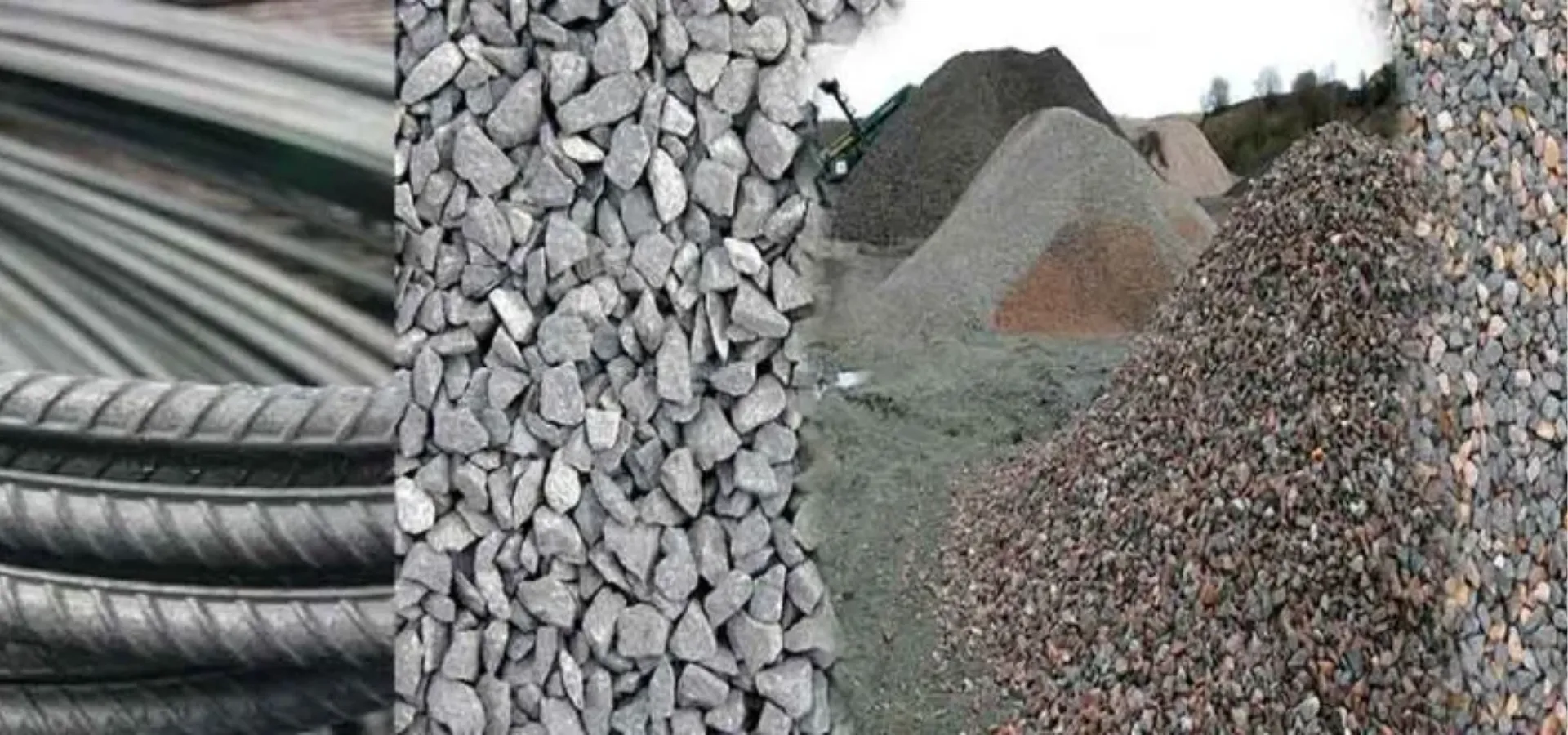
Storage of Sand and Aggregates
Sand and aggregates must be protected from contamination.
Proper storage involves:
- Storing on clean, hard surfaces
- Separating fine and coarse aggregates
- Covering with tarpaulin to prevent rain contamination
- Avoiding mixing with soil or debris
Impure aggregates can reduce concrete strength and cause structural defects.
Storage of Paints and Chemicals
Paints and construction chemicals are sensitive to temperature and sunlight.
Storage instructions:
- Store in a cool, dry place
- Keep containers tightly sealed
- Avoid direct sunlight
- Keep away from heat sources
- Store in original packaging
Extreme temperatures can affect paint viscosity and performance.
Storage of Tiles and Marble
Tiles and marble require careful stacking to prevent breakage.
Best practices:
- Stack vertically instead of flat
- Use wooden supports
- Keep in a covered area
- Avoid moisture exposure
- Handle with care during transport
Improper stacking can lead to cracks and financial losses.
Storage of Doors, Windows, and Wood Materials
Wood and wooden products are vulnerable to moisture and termites.
Storage tips:
- Keep in dry and ventilated rooms
- Raise above ground level
- Protect from water seepage
- Apply anti-termite treatment if needed
- Avoid direct contact with damp surfaces
Moisture can cause swelling, warping, or fungal growth.
Storage of Electrical and Plumbing Materials
Electrical wires, fittings, and plumbing components must be protected from dust and moisture.
Recommended practices:
- Store in sealed packaging
- Keep in dry areas
- Avoid exposure to chemicals
- Organize properly to prevent damage
Damaged electrical materials can create safety hazards.
Site Safety and Material Management
Proper storage also improves site safety. Poorly stacked materials can fall and cause injuries. Disorganized storage areas can create trip hazards.
Implementing material management systems such as labeling, inventory tracking, and scheduled inspections ensures efficiency and safety.
Benefits of Proper Storage
- Maintains material quality
- Reduces wastage
- Saves cost
- Prevents construction delays
- Improves structural durability
- Enhances site safety
- Increases project efficiency
Common Storage Mistakes to Avoid
- Storing cement directly on the ground
- Leaving steel exposed to rain
- Mixing different aggregate types
- Over-stacking heavy materials
- Ignoring expiration dates
- Using damaged materials without inspection
Avoiding these mistakes protects both budget and structural integrity.
Frequently Asked Questions (FAQs)
Why is cement sensitive to moisture?
Cement reacts with water chemically. Even slight moisture exposure can trigger hydration, reducing its strength.
How long can cement be stored safely?
Cement should ideally be used within 90 days of manufacturing.
Can slightly rusted TMT bars be used?
Light surface rust can be cleaned, but deep corrosion reduces strength and should be avoided.
Should sand be covered during rain?
Yes. Rainwater can alter moisture content and affect concrete mix proportions.
How should tiles be transported and stored?
Tiles should be stored vertically and protected from impact and moisture.
Can construction materials be stored outdoors?
Only if properly covered and elevated above ground level.
What is the best method for inventory control?
Using the First-In-First-Out method helps prevent material aging.
How do high temperatures affect paint storage?
Extreme heat can alter chemical composition and reduce effectiveness.
Why should materials be kept away from walls?
Walls can transfer moisture, affecting cement and wood products.
Is stacking height important?
Yes. Excessive stacking can cause collapse or deformation.
How does improper storage increase costs?
Damaged materials must be replaced, increasing project expenses.
What are signs of damaged cement?
Lumps, hardened texture, and discoloration indicate moisture exposure.
Should steel be oiled during long storage?
Applying a protective coating can prevent rust.
Can bricks absorb water during storage?
Yes. They should be kept dry before use.
Why is organized storage important for large projects?
It improves workflow, reduces confusion, and prevents accidents.
Conclusion
Proper storage of construction materials is not merely a logistical detail—it is a critical component of successful construction management. Materials such as cement, TMT bars, aggregates, paints, tiles, wood, and plumbing fixtures require specific storage conditions to maintain their quality and performance.
Ignoring storage standards can lead to strength reduction, structural damage, increased costs, and project delays. On the other hand, implementing systematic storage practices ensures material longevity, construction efficiency, safety, and cost savings.
Every construction project, whether small or large, deserves high-quality materials that perform as expected. But quality does not depend solely on manufacturing—it also depends on how materials are stored and handled before use.
By following proper storage guidelines, conducting regular inspections, and maintaining organized material management systems, builders and homeowners can ensure that their construction materials retain their full strength and reliability.
Strong buildings are not built by materials alone—they are built by careful planning, proper handling, and disciplined execution at every stage. Proper storage of construction materials is one of the most fundamental steps toward building durable, safe, and long-lasting structures.