Table of Contents
The construction and architecture industry is evolving rapidly in 2025. Modern building design is no longer just about aesthetics—it combines sustainability, smart technology, functionality, wellness, and cost efficiency. From residential homes in urban areas to commercial complexes and infrastructure projects, the focus is shifting toward energy efficiency, environmental responsibility, and future-ready living.
In this detailed guide, we explore the top building design trends in 2025, covering architecture, materials, technology integration, sustainable construction, interior innovations, and structural advancements that are shaping modern development.
1. Sustainable and Eco-Friendly Design
Sustainability is no longer optional—it is a necessity. Builders and homeowners are prioritizing eco-conscious materials and energy-efficient systems.
Key sustainable trends include:
- Solar-integrated roofing systems
- Rainwater harvesting systems
- Energy-efficient insulation
- Green roofs and vertical gardens
- Recycled construction materials
- Low-VOC paints and finishes
Green building certifications and energy ratings are influencing property value and buyer decisions. Eco-friendly construction reduces environmental impact while lowering long-term utility costs.
2. Smart Homes and Intelligent Buildings
Technology integration has become central to modern building design.
Smart design elements in 2025 include:
- Automated lighting and climate control
- Voice-controlled home systems
- Smart security systems with AI monitoring
- Energy usage tracking systems
- Smart water management
Commercial buildings are also incorporating IoT-enabled infrastructure for improved operational efficiency and safety.
Smart technology enhances convenience, security, and energy optimization.
3. Minimalist and Functional Architecture
The 2025 design philosophy emphasizes simplicity and functionality.
Features of minimalist design:
- Clean lines
- Open floor plans
- Multi-purpose spaces
- Neutral color palettes
- Hidden storage solutions
This approach maximizes usable space while creating a modern aesthetic appeal.
4. Earthquake-Resistant and Disaster-Ready Structures
With increasing climate concerns and seismic activity awareness, structural safety is a major priority.
Modern buildings now incorporate:
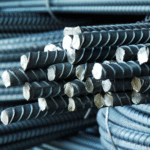
- High-ductility TMT bars
- Reinforced concrete frames
- Flexible structural systems
- Wind-resistant roofing
- Flood-resistant foundation designs
Structural engineering innovations ensure long-term resilience.
5. Sustainable Building Materials
Material selection in 2025 focuses on durability and environmental performance.
Popular materials include:
- High-strength TMT bars
- Fly ash-based cement
- Engineered wood
- Composite materials
- High-performance glass
- Precast concrete panels
These materials reduce construction time and improve structural strength.
6. Indoor-Outdoor Living Concepts
Blending indoor and outdoor spaces has become increasingly popular.
Key design elements:
- Large sliding glass doors
- Extended balconies
- Terrace gardens
- Outdoor kitchens
- Courtyard designs
This approach enhances natural ventilation and daylight utilization.
7. Energy-Efficient Building Envelopes
The building envelope plays a crucial role in energy conservation.
2025 trends include:
- Double-glazed windows
- Thermal insulation systems
- Reflective roofing materials
- Ventilated façades
Improved insulation reduces energy consumption and increases occupant comfort.
8. Biophilic Design
Biophilic design connects occupants with nature.
Features include:
- Indoor plants and green walls
- Natural lighting
- Organic textures and finishes
- Natural ventilation systems
This trend improves mental well-being and productivity.
9. Modular and Prefabricated Construction
Speed and efficiency are key drivers in modern construction.
Benefits of modular design:
- Faster project completion
- Reduced labor cost
- Less material wastage
- Better quality control
Prefabricated elements ensure precision and cost savings.
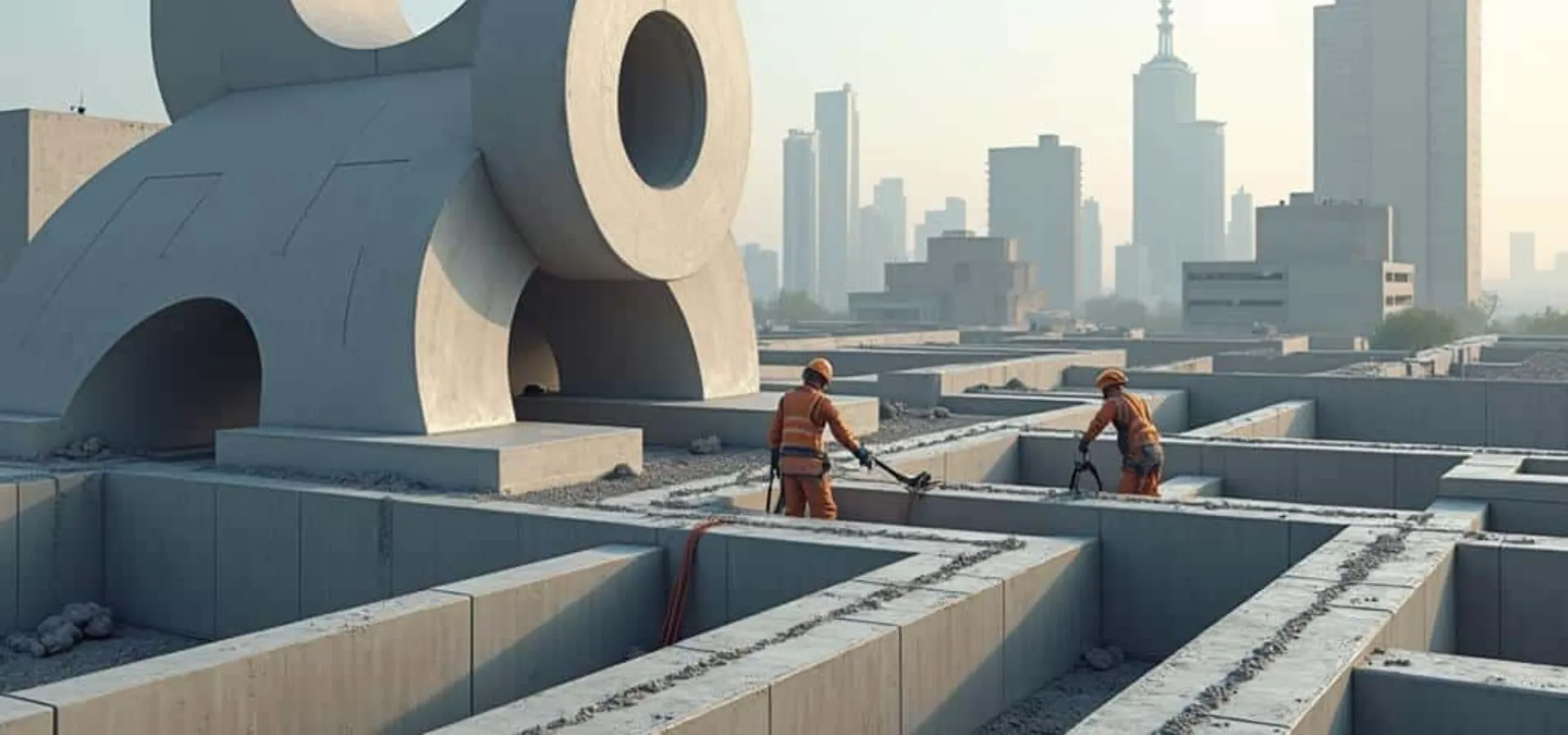
10. Bold Exterior Aesthetics
Modern façades are becoming more expressive and distinctive.
Popular exterior trends:
- Textured finishes
- Geometric patterns
- Earth-tone colors
- Mixed materials (stone, glass, metal)
- Sustainable cladding systems
Contemporary designs balance visual impact with structural performance.
11. Wellness-Focused Interiors
Post-pandemic design emphasizes health and well-being.
Wellness features include:
- Improved air filtration systems
- Natural light maximization
- Acoustic insulation
- Non-toxic materials
- Ergonomic layouts
Healthy living spaces are becoming a core requirement.
12. Smart Lighting and Automation
Lighting design in 2025 is both aesthetic and functional.
- Motion-sensor lighting
- LED energy-efficient systems
- Automated dimming
- Smart daylight integration
Lighting enhances mood and reduces energy costs.
13. Multi-Generational Housing Design
Homes are being designed to accommodate extended families.
Design trends include:
- Separate living spaces within one property
- Accessible layouts for elderly residents
- Flexible room configurations
This trend addresses evolving family structures.
14. Sustainable Urban Planning
Beyond individual buildings, urban developments focus on:
- Mixed-use communities
- Pedestrian-friendly layouts
- Electric vehicle charging stations
- Integrated green spaces
Urban planning in 2025 promotes connectivity and sustainability.
15. Cost-Effective Yet Premium Construction
Homeowners are looking for balance between luxury and affordability.
Builders are adopting:
- Optimized structural design
- Efficient material sourcing
- Modern construction techniques
- Bulk procurement strategies
This ensures quality construction without unnecessary cost escalation.
Frequently Asked Questions (FAQs)
What is the biggest building design trend in 2025?
Sustainable and smart building integration is the dominant trend in 2025.
Are smart homes expensive to build?
Initial investment may be higher, but long-term energy savings offset costs.
Why is sustainability important in modern construction?
It reduces environmental impact and improves energy efficiency.
Is modular construction reliable?
Yes, prefabricated systems offer precision, speed, and durability.
What materials are trending in 2025?
High-strength steel, fly ash cement, engineered wood, and composite materials are popular.
How does biophilic design benefit homeowners?
It improves mental well-being, air quality, and natural comfort.
Are energy-efficient homes more valuable?
Yes, energy-efficient buildings have higher resale value.
What role does TMT steel play in modern design?
High-ductility TMT bars improve earthquake resistance and structural safety.
How can I incorporate modern trends in a small home?
Use open layouts, smart lighting, and sustainable materials.
Is green construction more expensive?
While initial costs may be slightly higher, operational savings are significant.
Conclusion
Building design trends in 2025 reflect a shift toward sustainability, smart integration, resilience, and occupant well-being. Modern construction is no longer solely about appearance—it integrates technology, structural strength, environmental consciousness, and functionality into every project.
From energy-efficient envelopes and biophilic interiors to earthquake-resistant frameworks and modular construction techniques, today’s building design is focused on future readiness. Whether you are planning a residential home or commercial project, aligning with these trends ensures long-term value and performance.
The future of construction is intelligent, sustainable, and resilient. By adopting these 2025 building design trends, homeowners and developers can create structures that are not only visually appealing but also strong, efficient, and built to last.