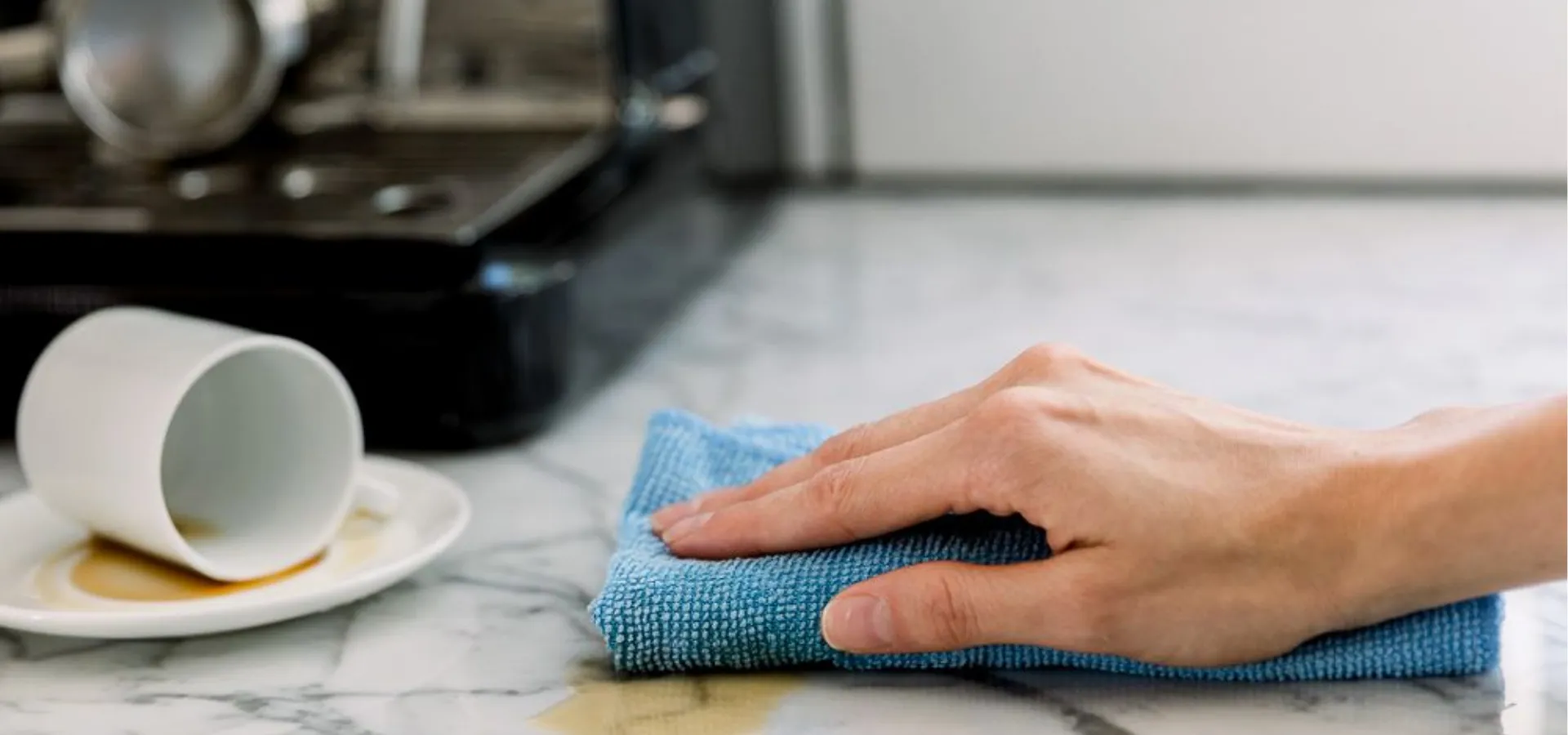
Marble is one of the most elegant and timeless natural stones used in construction and interior design. From luxurious flooring and staircases to countertops, wall cladding, and decorative features, marble enhances the aesthetic appeal of residential and commercial spaces. However, marble is also a natural and porous material that requires proper care and maintenance to preserve its shine, durability, and beauty.
Table of Contents
In this detailed guide, we will explain how to properly maintain marble surfaces, daily cleaning methods, stain removal techniques, polishing tips, long-term protection strategies, and common mistakes to avoid. Whether you have marble flooring, kitchen countertops, or bathroom walls, this comprehensive article will help you keep your marble looking new for years.
Why Marble Requires Special Care
Marble is composed primarily of calcium carbonate, making it sensitive to:
- Acids (lemon, vinegar, cola)
- Harsh cleaning chemicals
- Scratches from abrasive materials
- Moisture and stains
- Heavy impact
Unlike ceramic or vitrified tiles, marble is porous. This means it can absorb liquids and develop stains if not sealed and maintained properly.
Proper marble care not only protects its appearance but also extends its lifespan.
Understanding Marble Surface Finishes
Different marble finishes require different maintenance approaches.
Polished Marble
Polished marble has a glossy surface and is commonly used in living rooms and hallways. It reflects light beautifully but can show scratches easily.
Honed Marble
Honed marble has a matte finish and is less slippery. It is often used in bathrooms and kitchens.
Tumbled Marble
Tumbled marble has a textured, rustic finish and is typically used in outdoor spaces or decorative walls.
Each type requires slightly different cleaning and polishing methods.
Daily Marble Cleaning Instructions
Daily maintenance prevents dirt buildup and surface damage.
Dry Dusting
Use a soft microfiber cloth or mop to remove dust and debris. Sand and dirt particles can cause micro-scratches if left unattended.
Damp Mopping
Use clean water or a pH-neutral stone cleaner. Avoid excessive water as prolonged moisture exposure can weaken the sealant.
Use Mild Cleaning Solutions
Choose cleaners specifically designed for natural stone. Avoid general household cleaners unless they are marble-safe.
Weekly and Monthly Marble Maintenance
Beyond daily cleaning, periodic deep cleaning is essential.
Deep Cleaning
Use a mild stone cleaner diluted in water. Apply gently using a soft cloth or mop.
Check for Stains
Inspect high-traffic areas for spills or stains. Address them immediately to prevent permanent damage.
Inspect Sealant
Marble should be sealed every 6–12 months depending on usage. Check if water droplets are absorbed quickly; if so, resealing may be required.
Marble Sealing: Why It’s Important
Sealing marble creates a protective barrier against stains and moisture.
Benefits of sealing:
- Prevents liquid absorption
- Reduces staining
- Enhances durability
- Makes cleaning easier
Professional sealing is recommended for large areas, but small surfaces can be sealed using store-bought stone sealants.
How to Remove Marble Stains
Different stains require different treatments.
Oil-Based Stains
Use a poultice made of baking soda and water. Apply the paste, cover with plastic wrap, and leave for 24 hours before cleaning.
Organic Stains (Tea, Coffee, Food)
Hydrogen peroxide mixed with a small amount of ammonia can help remove organic stains.
Rust Stains
Use a commercial rust remover designed specifically for marble.
Water Stains
Light buffing with a soft cloth and marble polishing powder may remove water rings.
Avoid experimenting with strong chemicals that can permanently damage the surface.
Marble Polishing and Restoration
Over time, marble may lose its shine due to foot traffic and cleaning.
Light Polishing
Use marble polishing powder and a soft cloth.
Professional Polishing
For dull or scratched surfaces, professional polishing using diamond pads and polishing machines may be required.
Avoid Wax Coatings
Wax may temporarily enhance shine but can trap dirt and dull the finish over time.
Protecting Marble from Damage
Prevention is better than restoration.
Use Doormats
Place mats at entry points to reduce dirt and grit.
Use Coasters and Trays
Protect countertops from acidic spills.
Avoid Heavy Dragging
Do not drag heavy furniture directly on marble surfaces.
Clean Spills Immediately
Acidic substances like lemon juice or vinegar can cause etching within minutes.
Common Marble Maintenance Mistakes
Avoid these mistakes to protect your investment:
- Using vinegar or acidic cleaners
- Scrubbing with abrasive pads
- Ignoring small spills
- Skipping sealing
- Using bleach regularly
- Allowing water to sit for long periods
These errors can permanently damage marble surfaces.
Marble Care for Different Areas
Marble Flooring
Regular sweeping and mopping with pH-neutral cleaners prevent scratches.
Marble Countertops
Clean spills immediately and avoid cutting directly on the surface.
Marble Bathrooms
Ensure proper ventilation to prevent moisture buildup.
Outdoor Marble
Seal regularly and clean debris frequently to prevent staining.
Long-Term Marble Maintenance Plan
For optimal marble longevity:
- Clean daily
- Deep clean weekly
- Inspect sealant every 6 months
- Polish annually if needed
- Schedule professional restoration every few years
Proper planning ensures consistent beauty and durability.
Frequently Asked Questions (FAQs)
How often should marble floors be cleaned?
Marble floors should be dusted daily and mopped with a mild cleaner at least once a week.
Is vinegar safe for cleaning marble?
No. Vinegar is acidic and can cause etching and permanent damage.
How long does marble sealing last?
Sealing typically lasts between 6 to 12 months depending on usage and exposure.
Can scratches on marble be repaired?
Minor scratches can be buffed out, but deep scratches require professional restoration.
Why does marble lose its shine?
Foot traffic, improper cleaning products, and lack of sealing can dull the surface.
Is marble suitable for kitchens?
Yes, but it requires proper sealing and immediate cleaning of spills.
What causes etching on marble?
Acidic substances react with calcium carbonate, causing dull marks.
Can I use regular floor cleaner on marble?
Only if it is labeled safe for natural stone.
Does marble stain easily?
Yes, because it is porous. Proper sealing reduces staining.
How do I check if marble needs resealing?
If water absorbs quickly instead of forming droplets, resealing is needed.
Can marble be polished at home?
Light polishing can be done at home, but professional polishing is recommended for best results.
Is marble high maintenance?
Marble requires regular care but is manageable with proper cleaning habits.
Conclusion
Marble is a symbol of elegance and timeless beauty, but it demands proper care to maintain its luxurious appearance. Understanding marble’s porous nature and sensitivity to acids is essential for preventing damage.
Regular cleaning with pH-neutral products, periodic sealing, immediate stain treatment, and professional polishing when needed can significantly extend the lifespan of marble surfaces. Avoiding harsh chemicals, abrasive tools, and negligence ensures your marble remains polished and visually stunning.
Marble is not just a construction material—it is an investment in aesthetics and property value. With proper maintenance instructions and consistent care, marble can retain its brilliance for decades.
Taking the time to follow proper marble care practices ensures that your floors, countertops, walls, and decorative elements continue to reflect elegance and sophistication in every corner of your space.